menu
discover tanzania

Mount Kilimanjaro

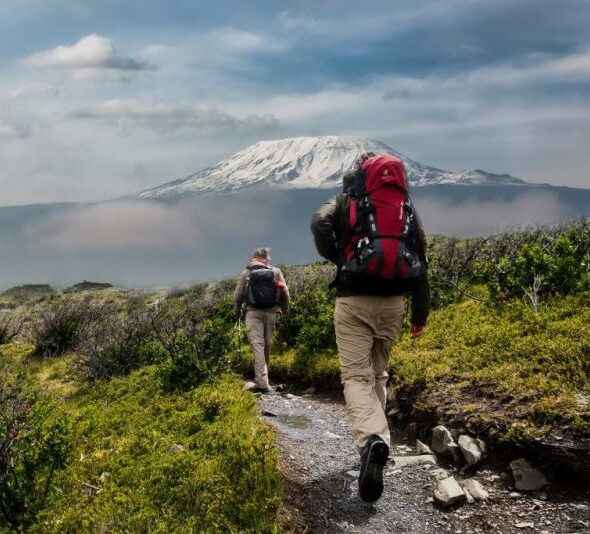
Rising above the clouds, Kilimanjaro is the tallest free-standing mountain on Earth. One look at its snow-capped peak—and you're already on the journey of a lifetime.
A Journey to Africa’s Highest Peak
Conquer Kilimanjaro in style. At 5,895 meters, this legendary peak offers an extraordinary high-altitude trek—no technical skills required. Just world-class guides, breathtaking scenery, and an unforgettable journey to the top of Africa.
Mount Kilimanjaro

Guided by Passion, Powered by Positivity

Our upbeat guides bring energy, knowledge, and song to your Kilimanjaro experience. It’s more than a climb—it’s a celebration.

The Summit is Just the Start

Reaching Uhuru Peak is breathtaking. But it’s what the mountain teaches you along the way—about yourself, about resilience, about joy in the face of challenge—that makes this climb unforgettable.

Mount Kilimanjaro key facts

Despite its height, Kilimanjaro is a non-technical climb. You don’t need ropes, crampons, or climbing skills—just endurance, determination, and proper acclimatization.
Height:

5,895 meters (19,341 feet)

Attempts each year

35,000 to 50,000

Success rate

between 65% to 70%

Best time to climb

December - January to early March, June to October

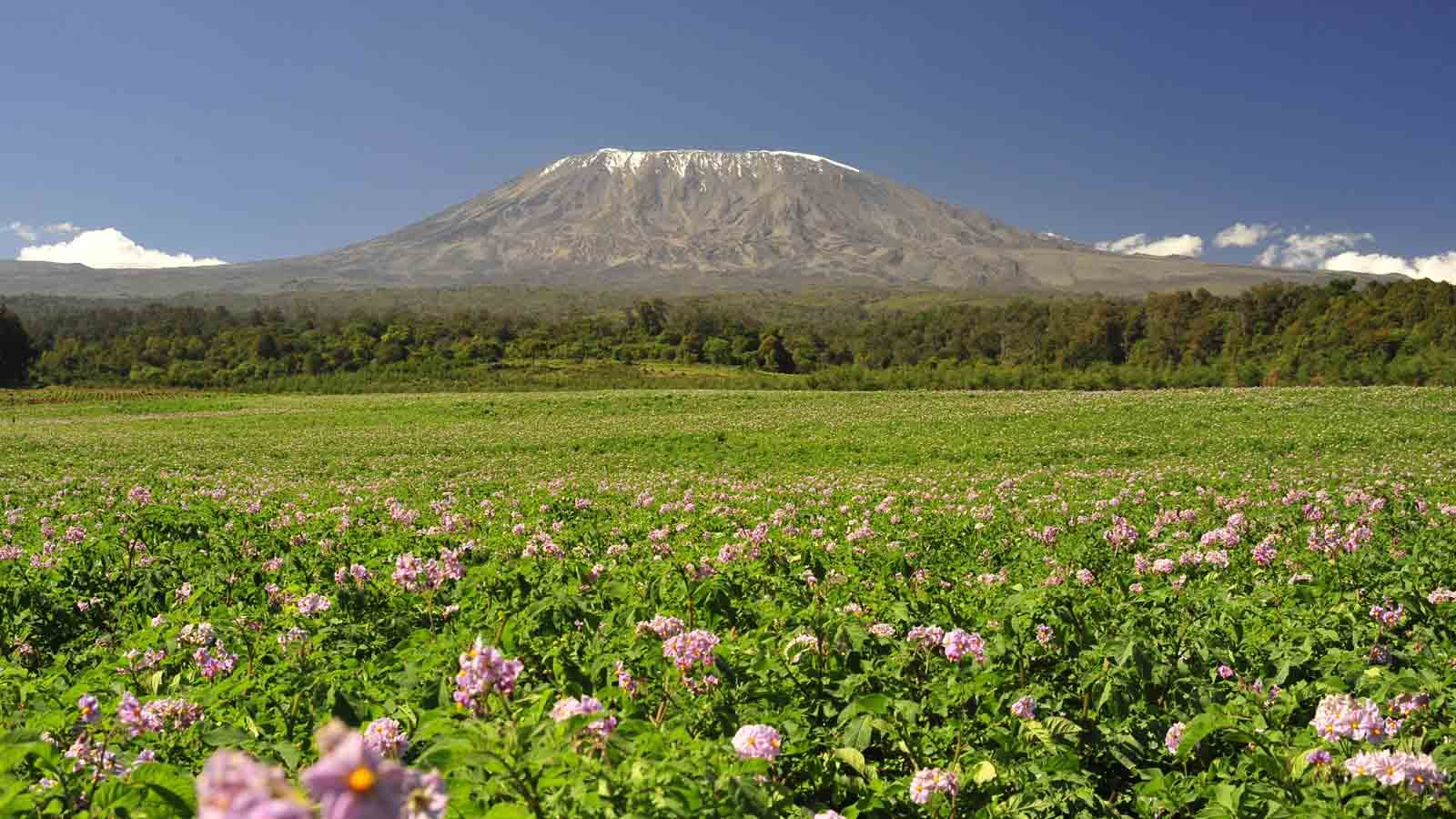
Fertile farmland with coffee, bananas, and local villages.
Cultivation Zone 800 to 1,800 mt.

Fertile farmland with coffee, bananas, and local villages.

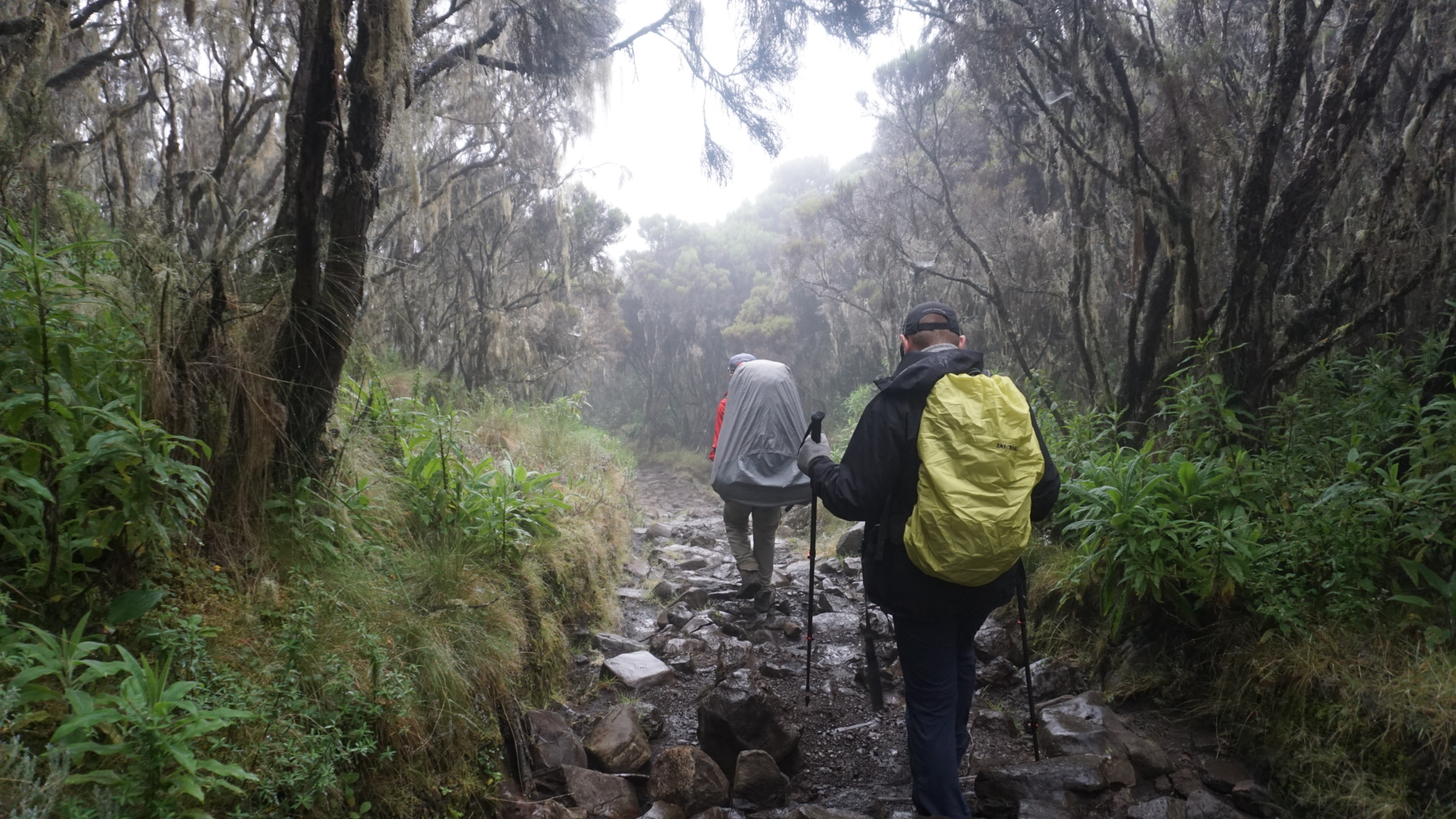
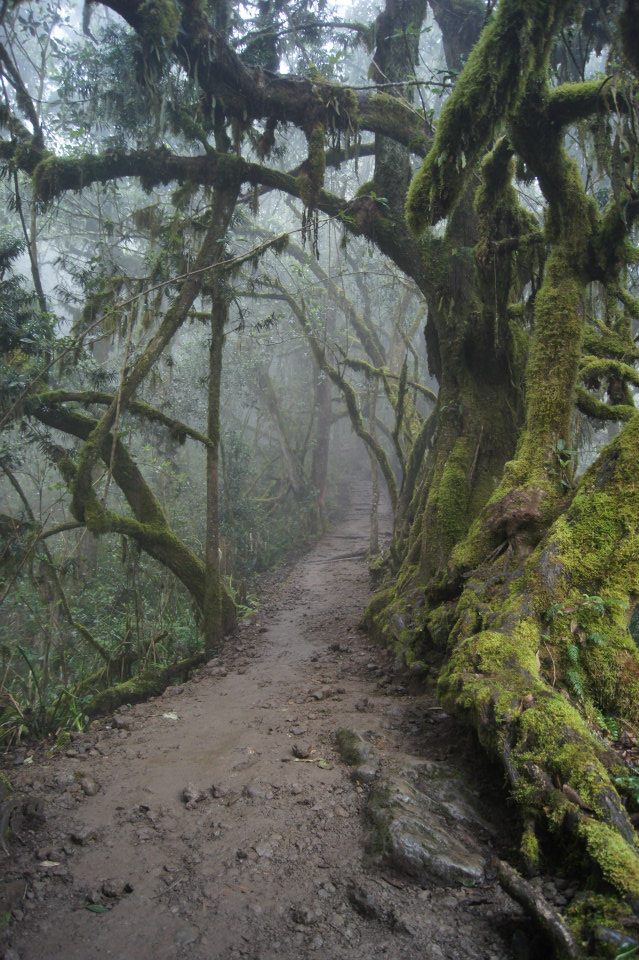
Dense rainforest rich in wildlife, with frequent mist and lush vegetation.
Forest Zone 1,800 to 2,800 mt.

Dense rainforest rich in wildlife, with frequent mist and lush vegetation.

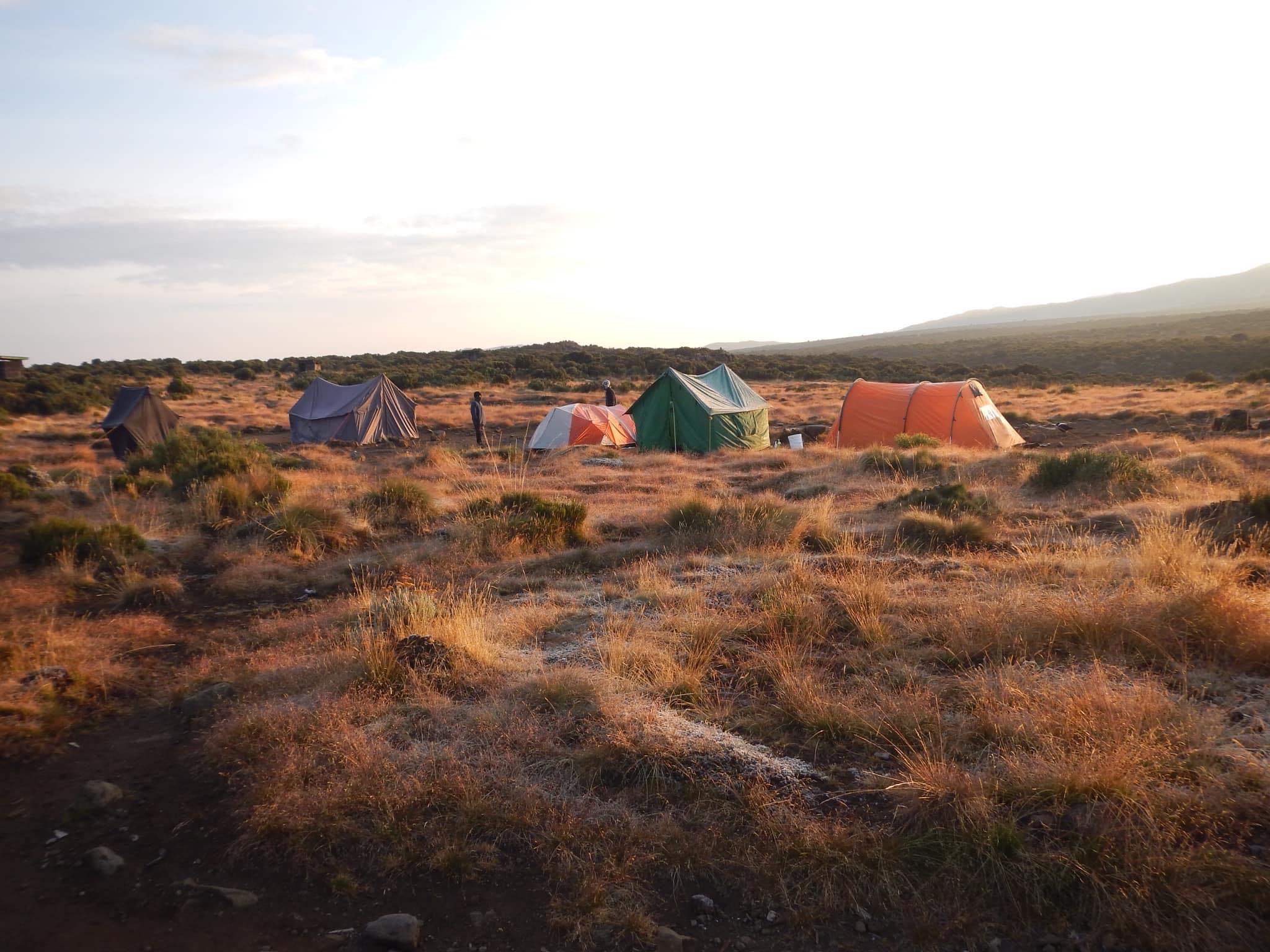
A semi-alpine area with heath plants and colorful wildflowers.
Heather-Moorland Zone 2,800 to 4,000 mt.

A semi-alpine area with heath plants and colorful wildflowers.

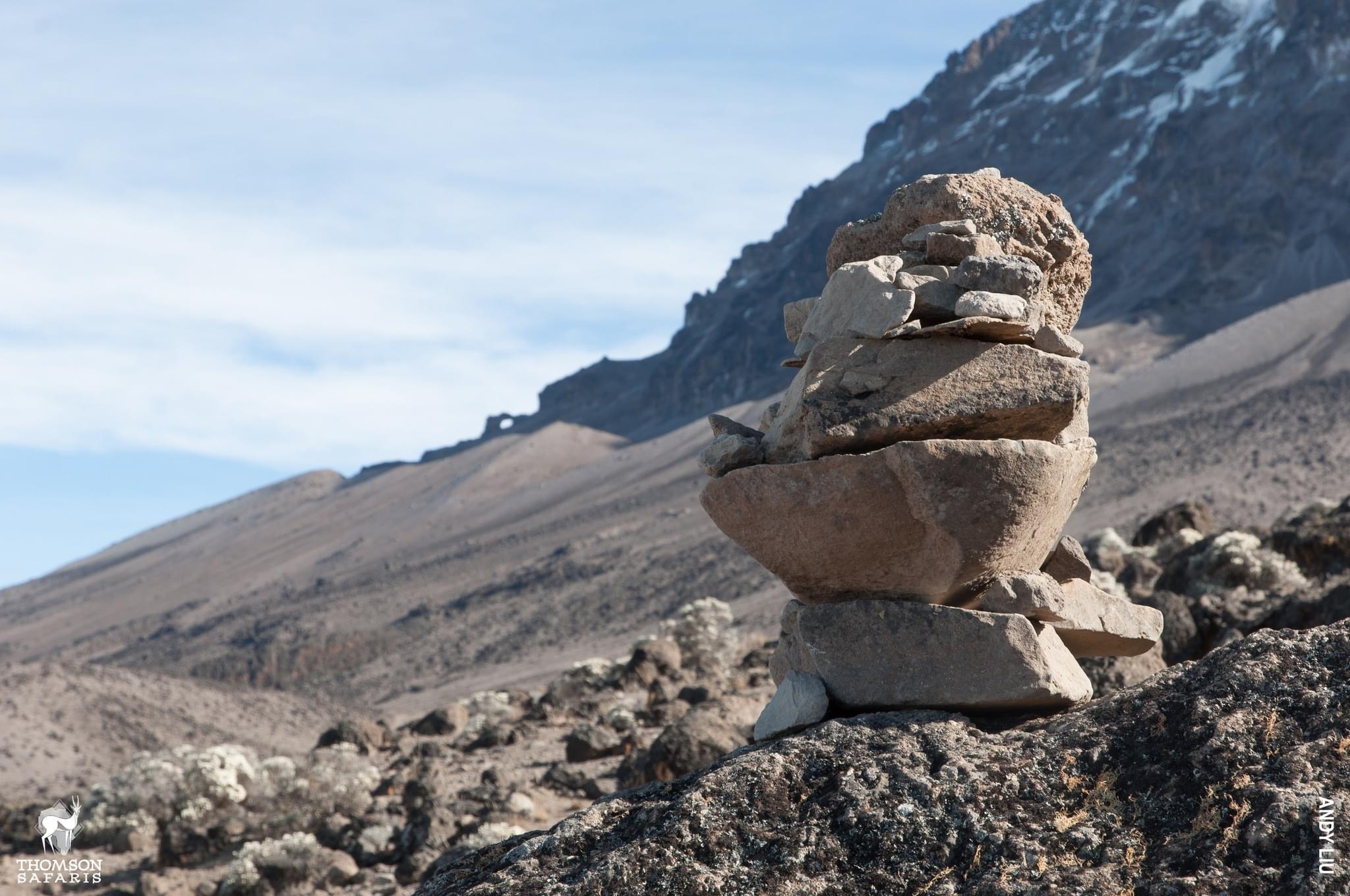
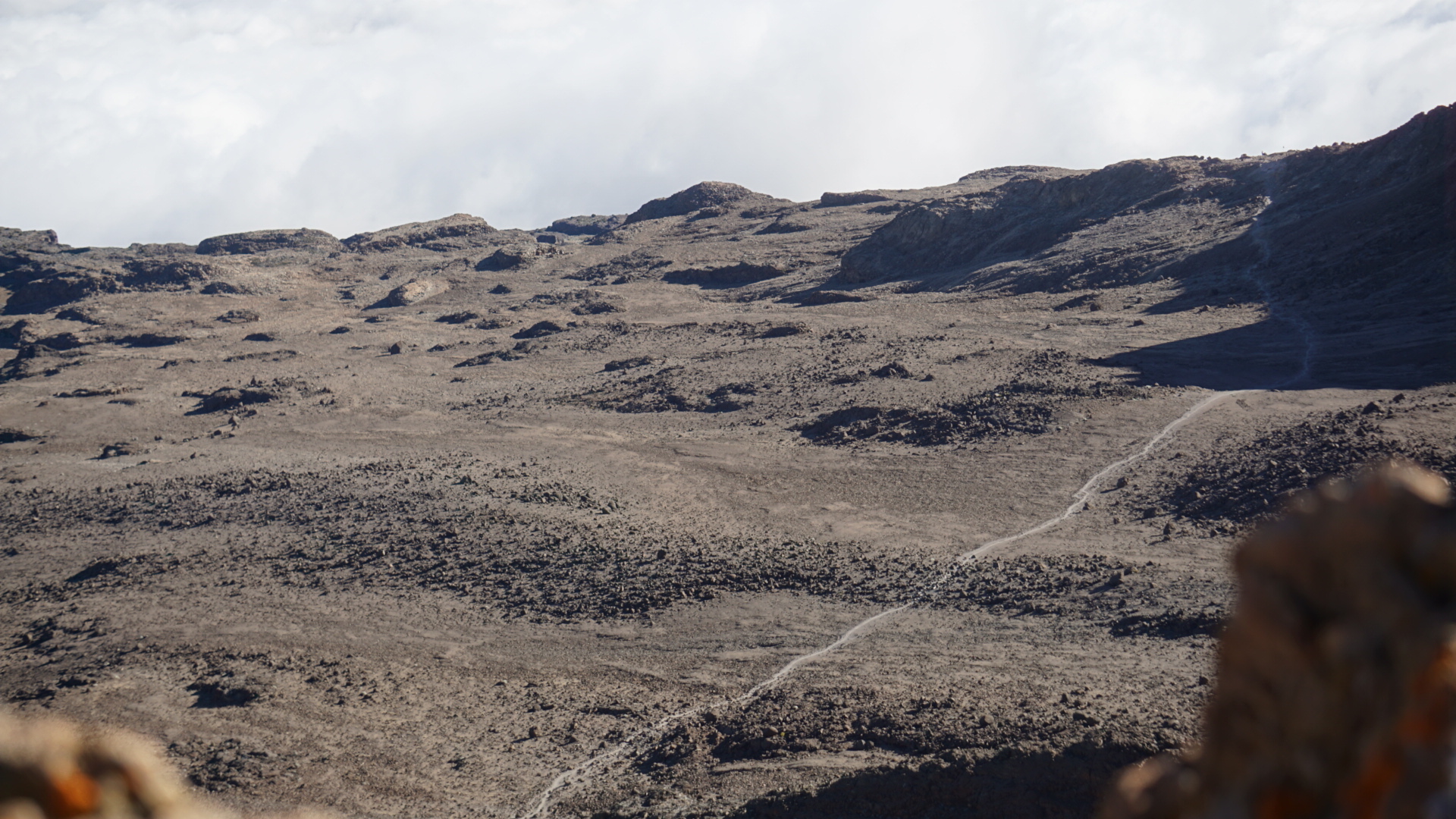
High-altitude terrain with volcanic rocks and sparse vegetation.
Alpine Desert Zone 4,000 to 5,000 mt.

High-altitude terrain with volcanic rocks and sparse vegetation.

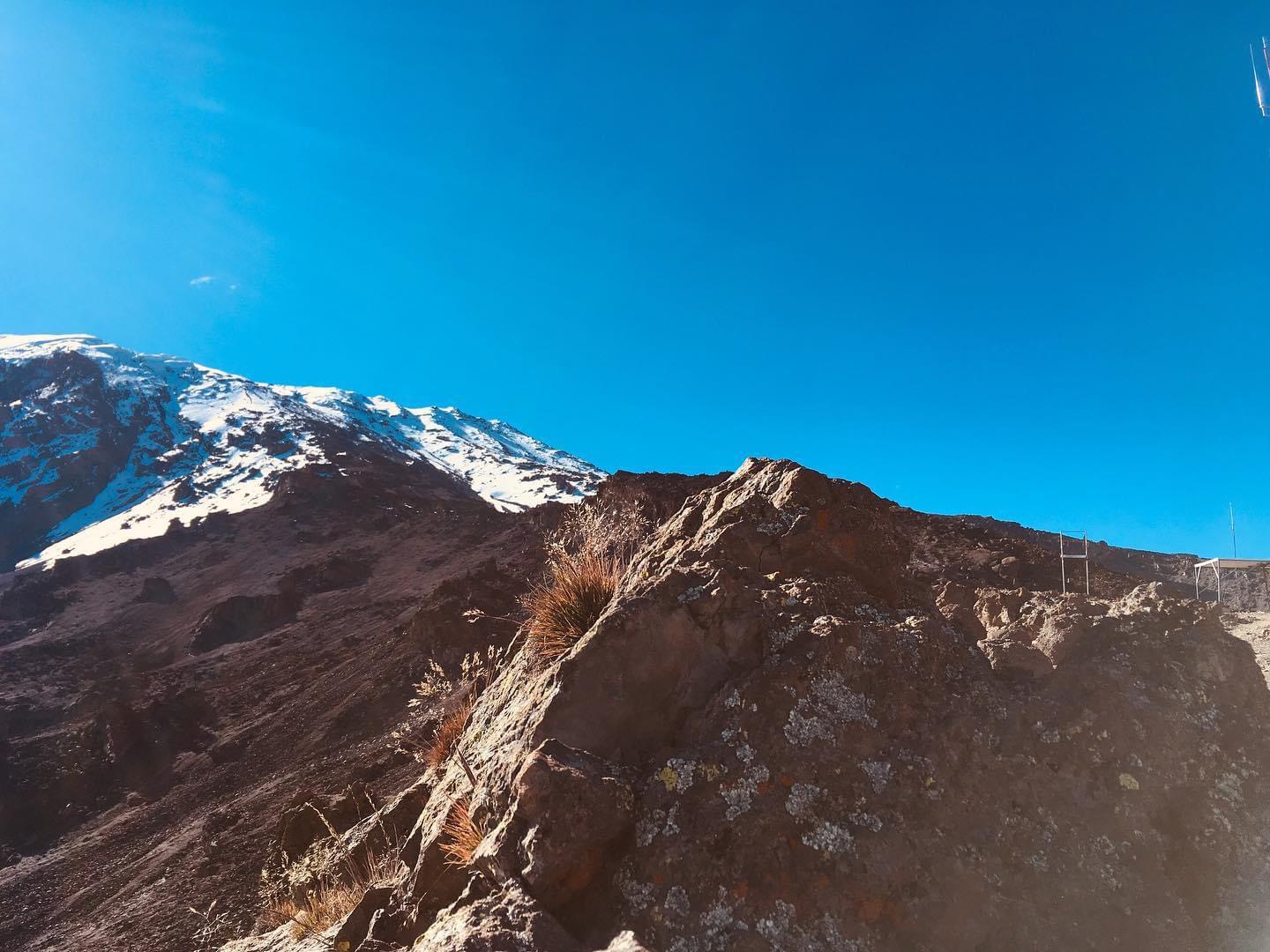
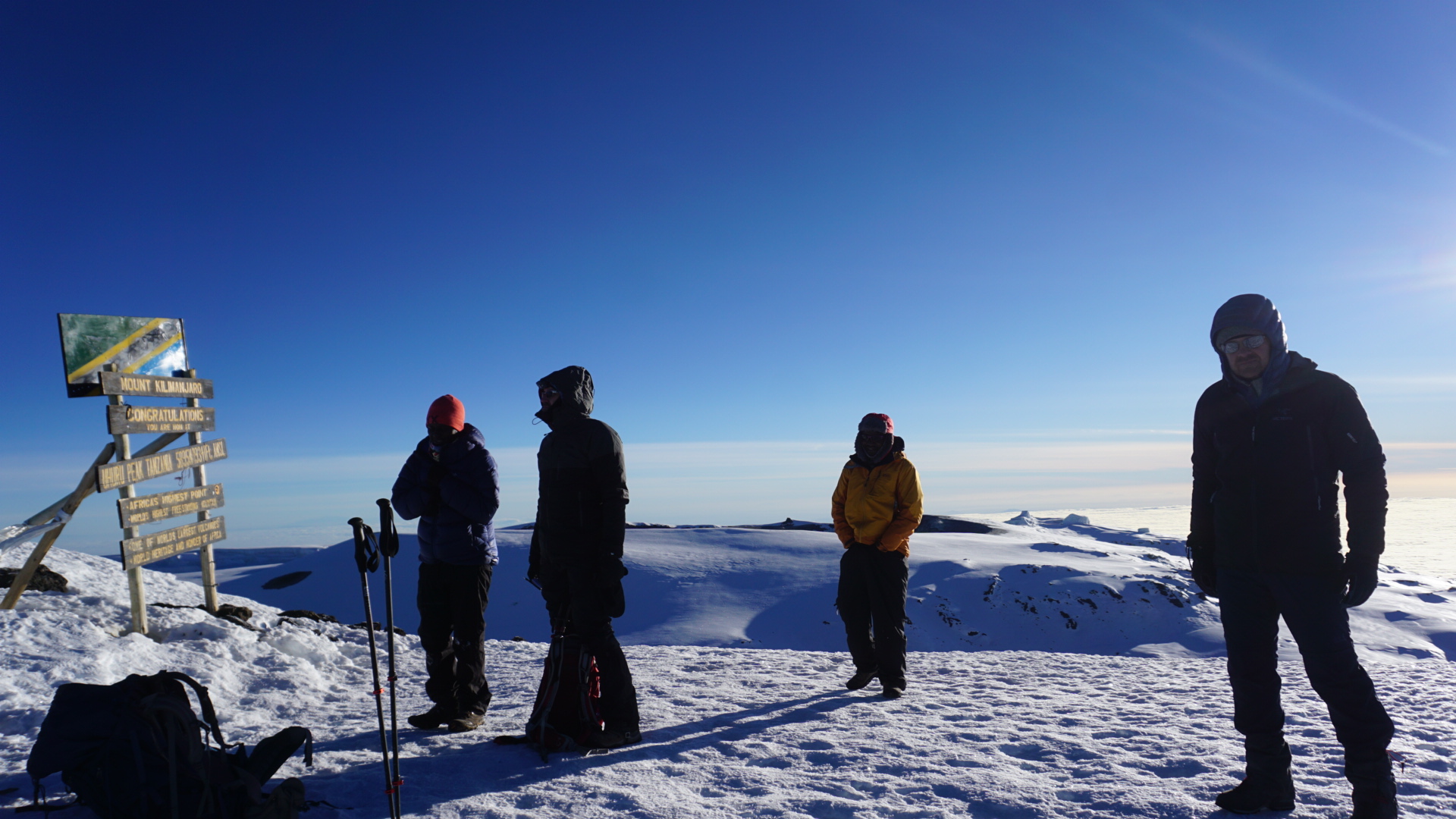
Icy, oxygen-thin zone with glaciers, extreme cold, and harsh winds.
Arctic Summit climate zones 5,000 + mt.

Icy, oxygen-thin zone with glaciers, extreme cold, and harsh winds.

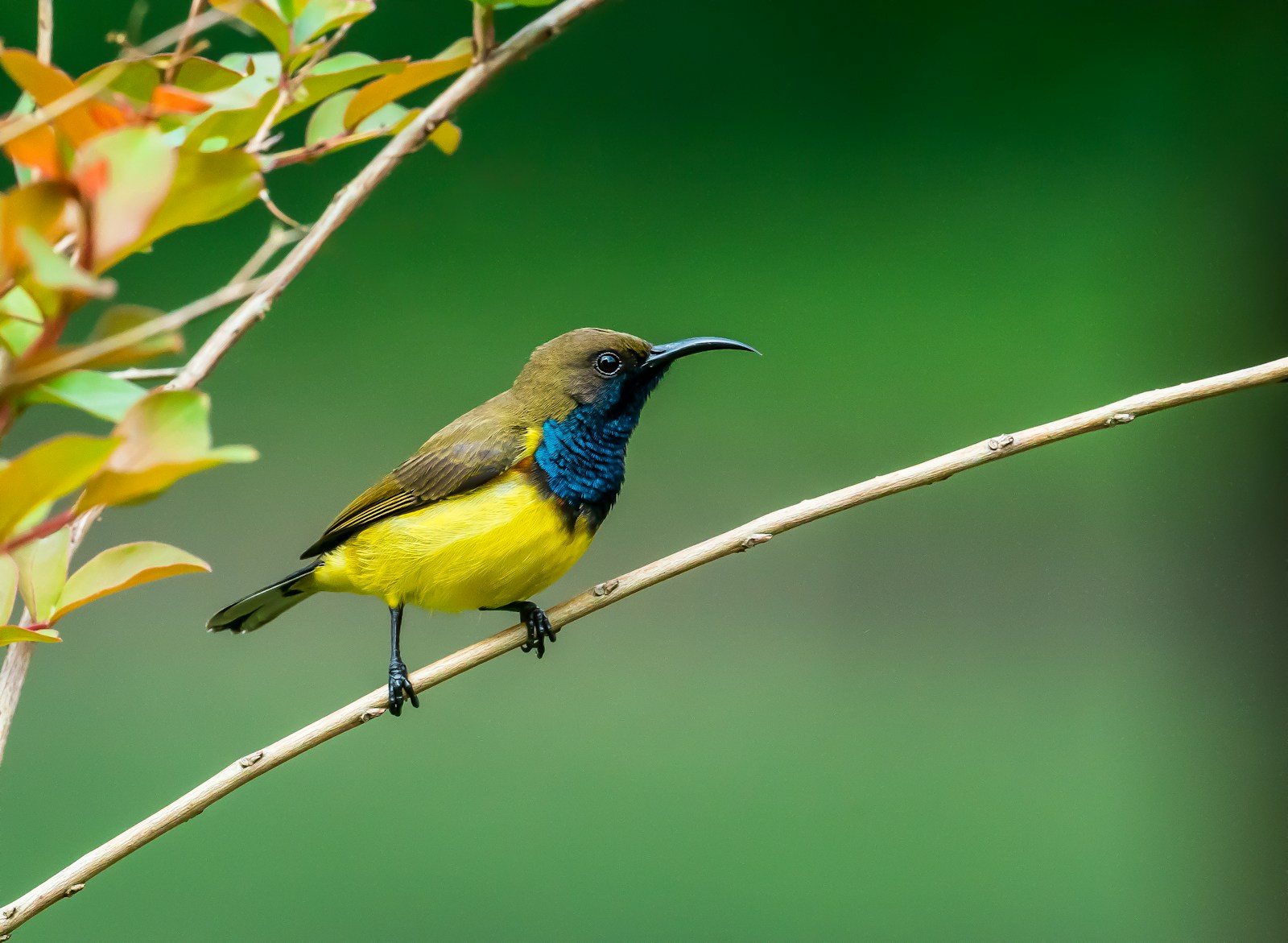
A small nectarivorous bird found on Kilimanjaro highlands.
Malachite sunbirds

A small nectarivorous bird found on Kilimanjaro highlands.

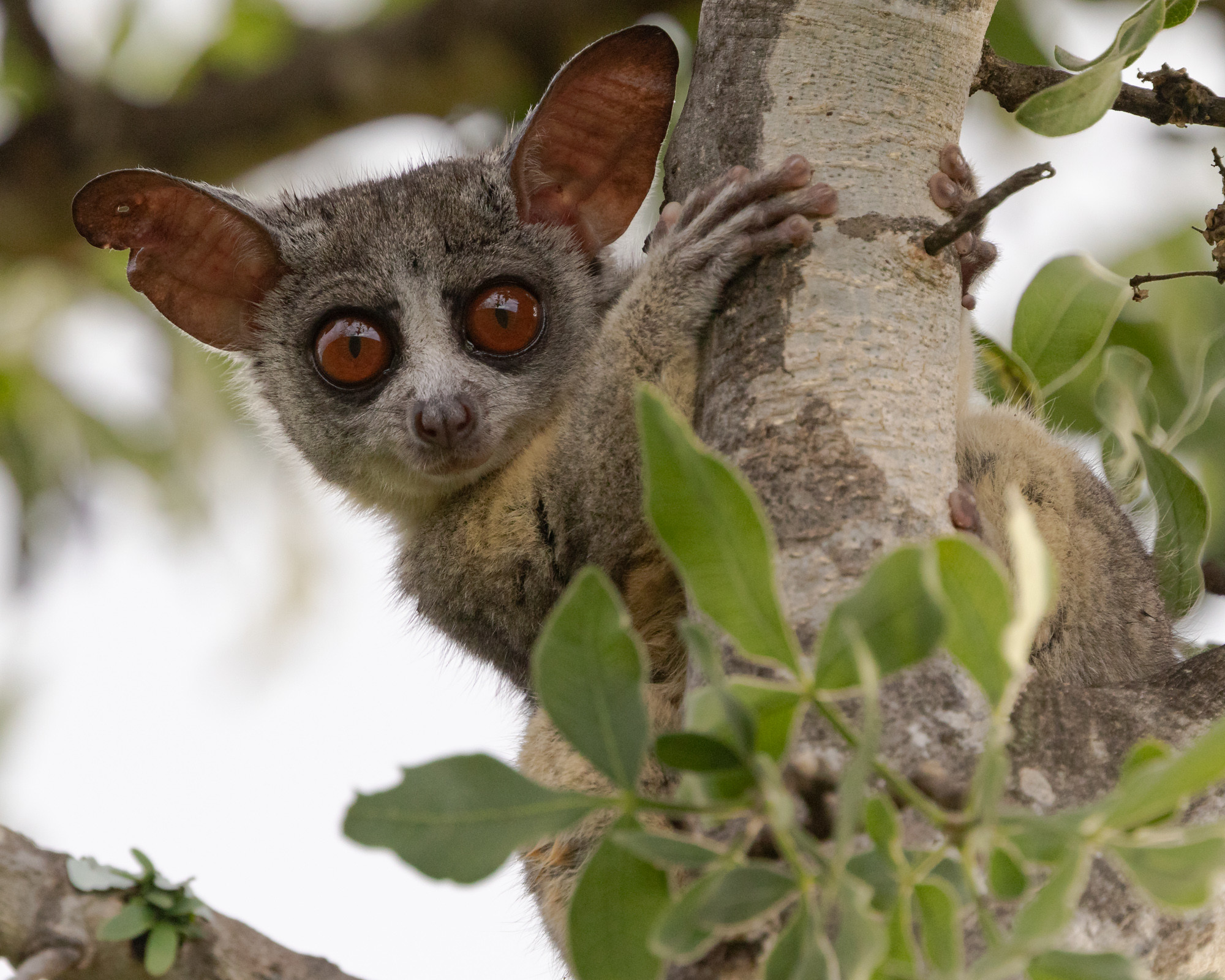
these are nocturnal and difficult to spot in day time
Bush babies (galagos)

these are nocturnal and difficult to spot in day time

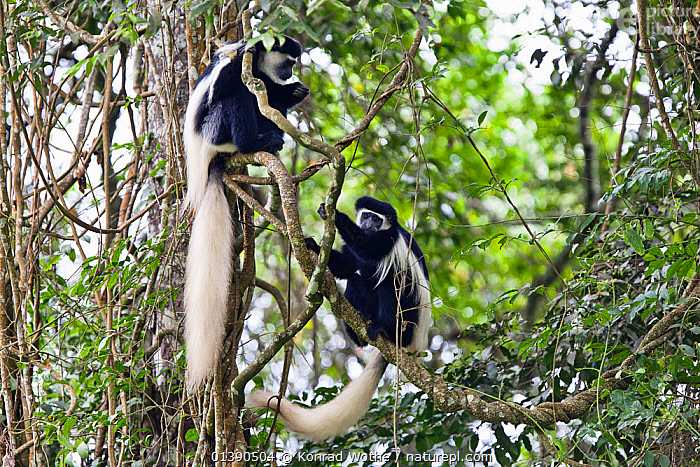
One of the true treasures of Kilimanjaro
Distinctive colobus monkeys

One of the true treasures of Kilimanjaro

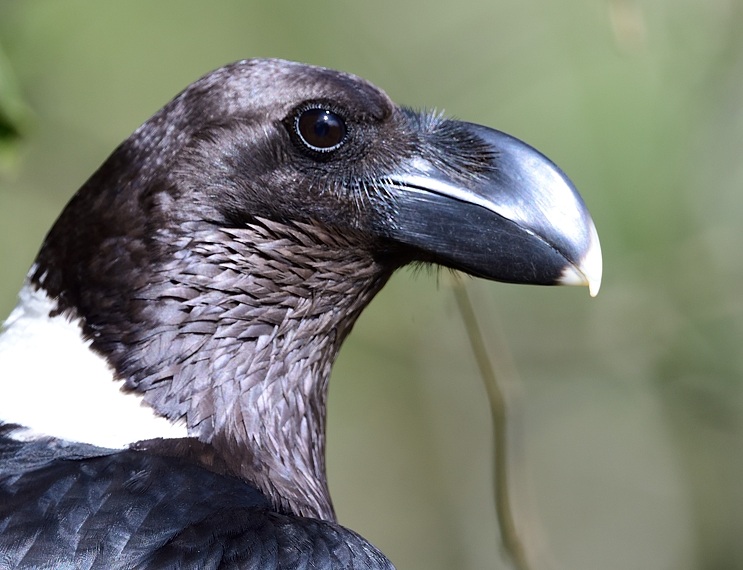
Aptly named for the prominent white band on the back of its neck.
White Necked Raven

Aptly named for the prominent white band on the back of its neck.

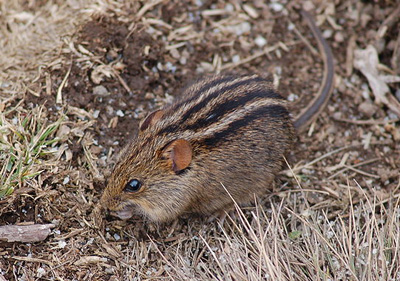
One of the smaller animals on Kilimanjaro
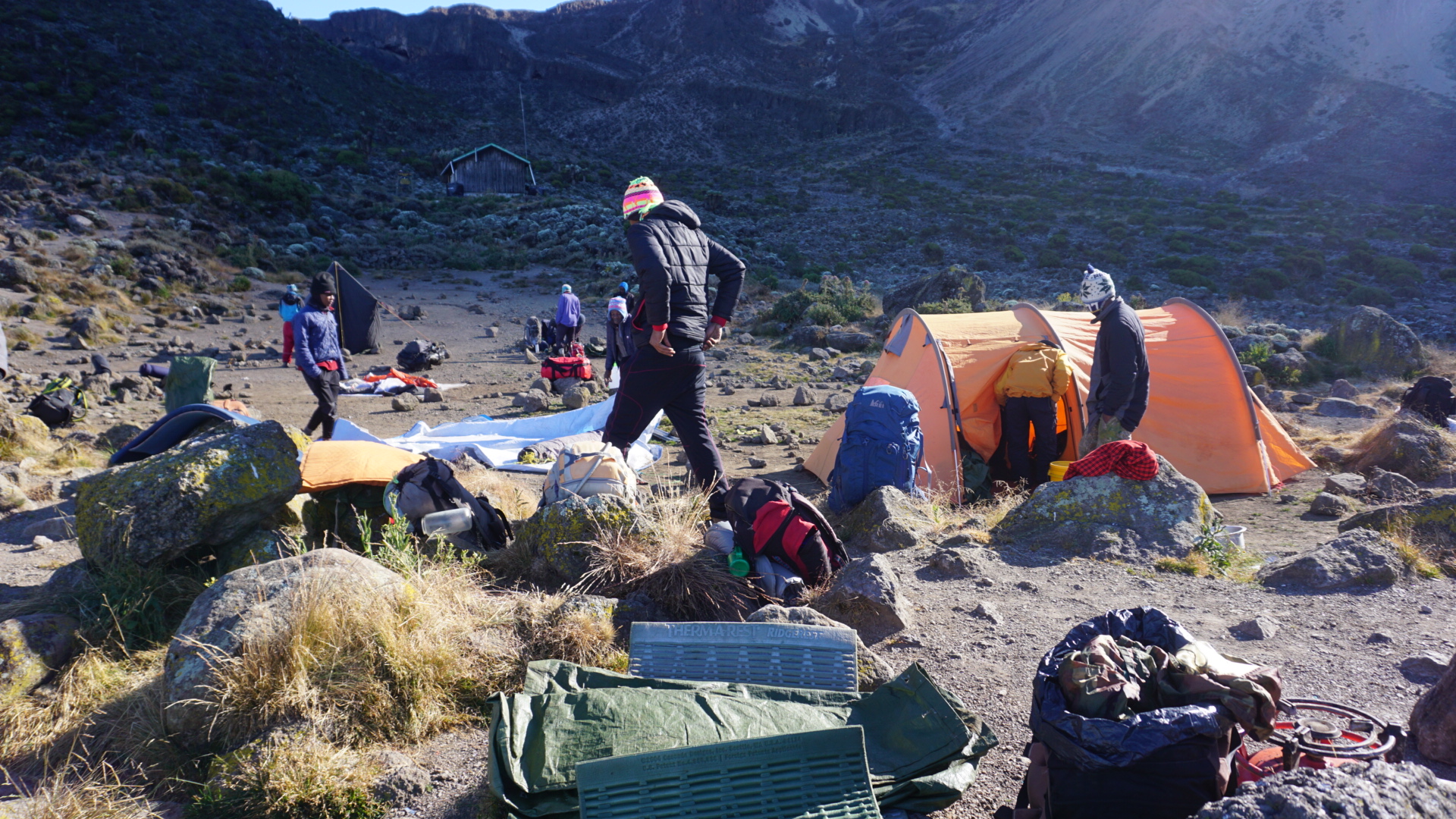
The four-striped grass mouse

One of the smaller animals on Kilimanjaro
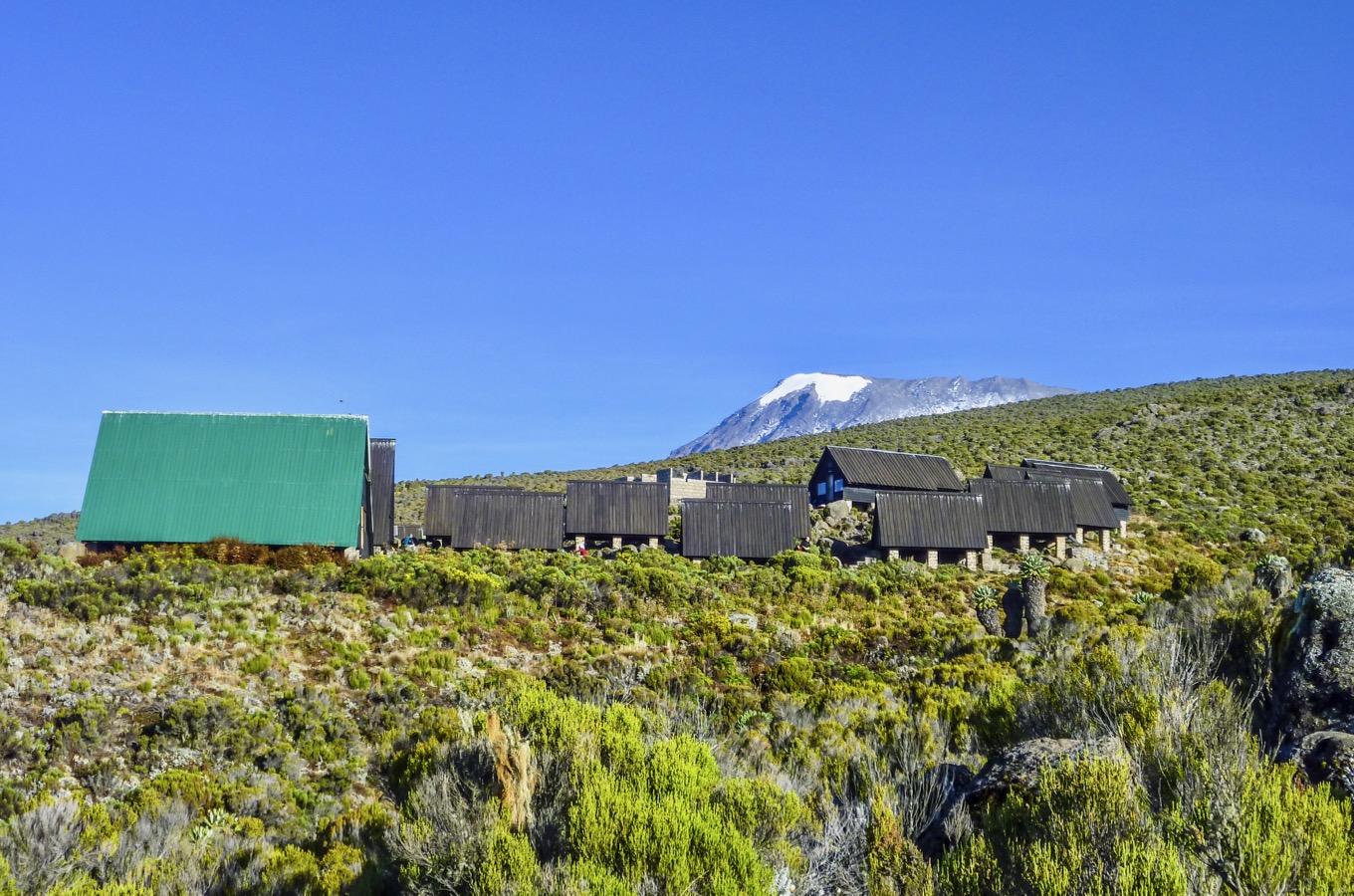
The Long Dry Season

The long dry season is a great time of year to climb the mountain. Temperatures are a little colder than the short dry season (January and February) but overall conditions are excellent with very little chance of precipitation.

The Short Wet Season

The short rains come between October and December. The timing of this season is a bit less predictable than during the long rains. We don’t recommend climbing once the rains have set in. Average temperature of 76°F (24.4°C) with rain slowly increasing in frequency with partly cloudy skies.

The Short Dry

This is the best time to trek Kilimanjaro. Especially during late January and into February, temperatures are generally a bit warmer than between June and October. Though this can vary from year to year.

The Long Wet Season

Towards the end of March, when the trade winds blowing across the Indian ocean come in contact with the mountain, the long rains begin. We don’t recommend climbing during this season as the rain can be heavy and the trails are wet and slipery.

Summit Weather

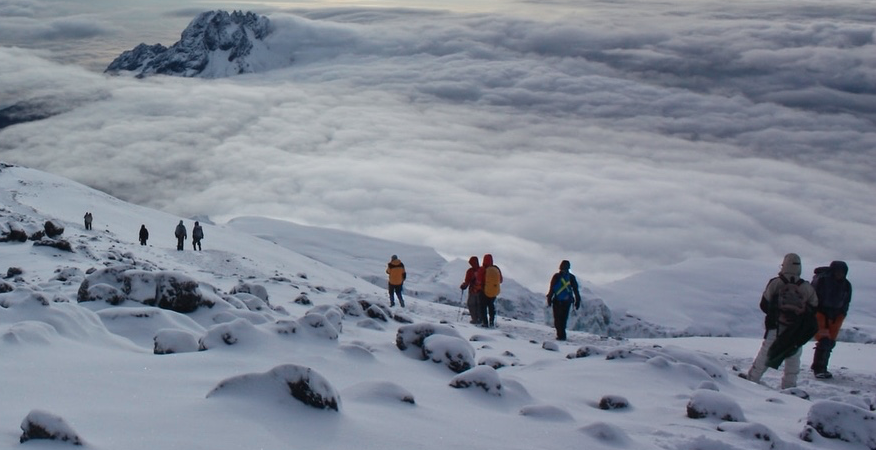
Most trekkers start their summit attempts around midnight. It’s bitterly cold, often with snow or ice on the trail. The aim is to get to Uhuru Peak at sunrise, as mostly the skies are clear and you’ll be rewarded to vast panoramic views of Mawenzi Meru peak . At the summit, Uhuru Point, the night time temperatures can range between 20 and -20 degrees Fahrenheit (-7 to -29 degrees Celsius). Due to Mount Kilimanjaro’s great height, the mountain creates its own weather.
The Long Dry Season

June to September

The Short Wet Season

October, November and December

The Short Dry

January to February

The Long Wet Season

March to May

Summit Weather

on the summit

Kilimanjaro trekking Routes

There are seven official routes to hike Mount Kilimanjaro, each offering unique and breathtaking natural scenery. At The Bugs Adventures, we specialize in five of these routes. Whichever you choose, be prepared—climbing Kilimanjaro is a true challenge that requires mental strength, physical readiness, and the right trekking gear.

Lemosho Route

Start your Kilimanjaro trek on the scenic Lemosho Route, known for its remote beauty and wildlife sightings. Enjoy a gradual ascent through unspoiled forests, guided by a park ranger on day one—perfect for acclimatization and adventure.
Your Next Adventure Awaits

Our unique adventure programs offer breathtaking views of towering dunes, dramatic mountain ranges, pristine white sand beaches, vast plains teeming with wildlife, and a rich blend of nature and unspoiled culture.

Trekking to New Heights

Kilimanjaro climbing Lemosho Route

Experience the breathtaking beauty of Africa’s highest mountain. Our carefully crafted 10-day itinerary takes you from the vibrant town of Moshi to the summit of Mount Kilimanjaro (5,895 meters) via…

Kilimanjaro climbing Lemosho Route

From USD 3.762

per person

Trekking to New Heights

Kilimanjaro, safari, Zanzibar—East Africa’s perfect trio.

The Marangu route is also known as the ā€œCoca-Colaā€ route, is the oldest and most well established route on Kilimanjaro…

Kilimanjaro, safari, Zanzibar—East Africa’s perfect trio.

From USD 35.559

per person

Tanzania Beach holidays

Kilimanjaro Climbing Machame route

The Machame route is also known as a “Whiskey Route” and is better suited to the slightly more adventurous hiker. From late afternoon sunsets at Shira Peak, to the misty…

Kilimanjaro Climbing Machame route

From USD 30.587

per person

Explore More Destinations

Our unique Adventure programs offer jaw-dropping views of towering dunes, dramatic mountain ranges, pristine white sand beaches, vast plains saturated in wild animals, beautiful nature and unspoiled culture.

Ndutu Plains

Ndutu plains short-grass stretches from the western side of the Ngorongoro Conservation Area to the southeast Serengeti National Park ….

Tarangire National Park

A paradise for birdwatchers, Tarangire also offers excellent game viewing, especially during the dry season. Its stunning landscape is dotted with giant baobab trees, adding to the park’s unique charm….

Manyara National Park

Unique to just a few places in Africa, Manyara’s lions are known for their unusual habit of lounging in trees—a mysterious and mesmerizing sight you won’t want to miss….

Lake Natron

This is the largest breeding ground in the world for the endangered species Lesser Flamingos (Phoenicopterus minor)….
1
When?
2
Where?
3
Activity
4
Who?
5
Budget
6
Last Page
Choose Destination *
Ndutu Plains
1 tours
Gombe National Park
1 tours
Dar Es Salaam
1 tours
Pangani
0 tours
Pemba Island
0 tours
Pare mountains
1 tours
Usambara Mountains
1 tours
The Ngorongoro Highlands
2 tours
Mt Oldoinyo Lengai
1 tours
Mount Meru
1 tours
Katavi National Park
0 tours
Mahale National Park
1 tours
Selous Game Reserve
1 tours
Mikumi National Park
0 tours
Mkomazi National Park
1 tours
Mount Kilimanjaro
3 tours
Serengeti National Park
6 tours
Ngorongoro Crater
12 tours
Zanzibar Island
4 tours
Tarangire National Park
11 tours
Manyara National Park
2 tours
Ruaha National Park
0 tours
Lake Natron
3 tours
Saadani National Park
0 tours
Choose activity type *
Tanzania Beach holidays
1 tours
Cycling Adventures
1 tours
Motorcycle Adventures
1 tours
Cultural Experiences
1 tours
Trekking to New Heights
5 tours
Wildlife Safari Adventures
9 tours
Ages 13 or above
Ages 2 - 12
Choose your package *
This is optional and off by default