The Bugs Adventures – Experience Quintessentials Africa

Tarangire National Park

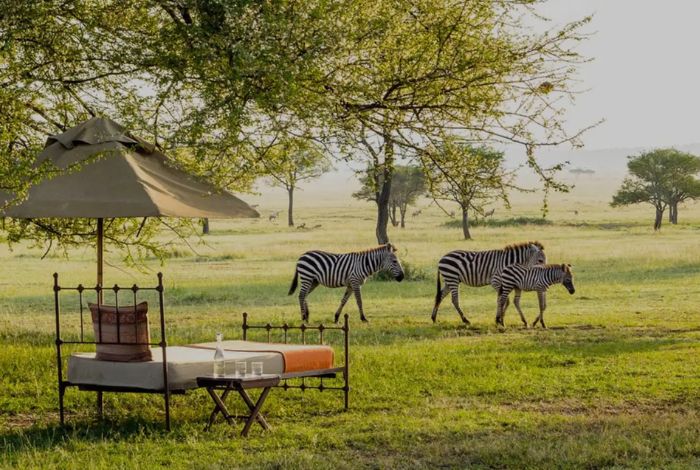
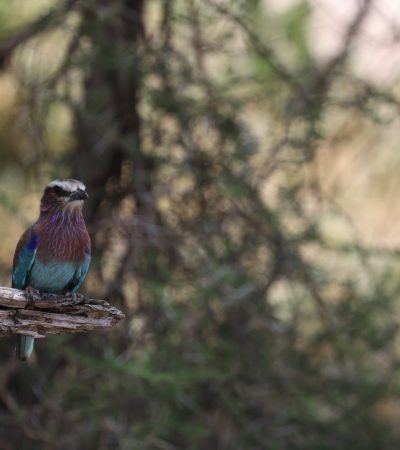
A paradise for birdwatchers, Tarangire also offers excellent game viewing, especially during the dry season. Its stunning landscape is dotted with giant baobab trees, adding to the park’s unique charm.

The Bugs Adventures

A Paradise for Nature Lovers

Tarangire is a paradise for nature lovers, with its dramatic baobab trees, golden grasslands, and rich biodiversity. From birdwatching to wildlife photography, every step through this untamed wilderness brings you closer to Africa’s raw, natural source.

The Bugs Adventures

Where Elephants Reunite and Wildlife Flourishes

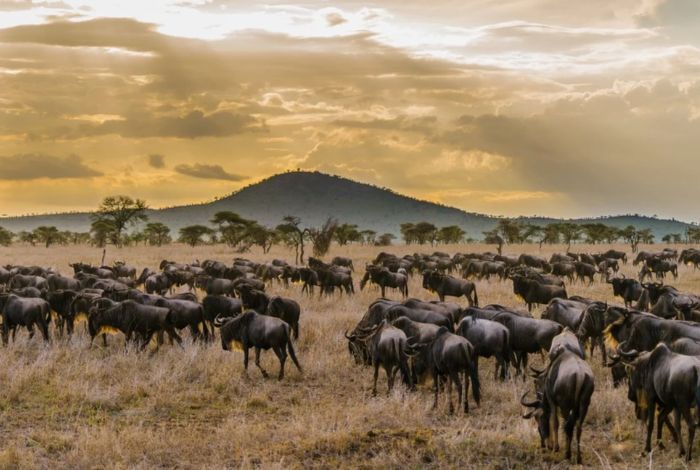
Tarangire’s hilly landscape is shaped by the Tarangire River, which attracts migrant animals in the dry season. It’s also known for elephant “reunions,” where herds gather after the rains, creating a spectacular sight.

Vital Lifeline: The Tarangire River and Its Wildlife

The river is a crucial water source during the dry season, attracting a variety of wildlife, including zebras, wildebeest, and buffalo, as well as predators like lions and leopards.

Tarangire National Park key facts

Tarangire National Park has the largest concentrations of elephants in the world, giant Baobab trees, beautiful landscapes, lions, leopards, cheetahs, monkeys and it’s a true paradise for bird lovers.

Size

2,850 square kilometers
(1,096 square miles).

wba-img-68

Acacia woodlands

Dominating the park, these woodlands provide shelter and food for various herbivores, including giraffes and buffalo.
 

wba-img-69

Baobab-Strewn Grasslands

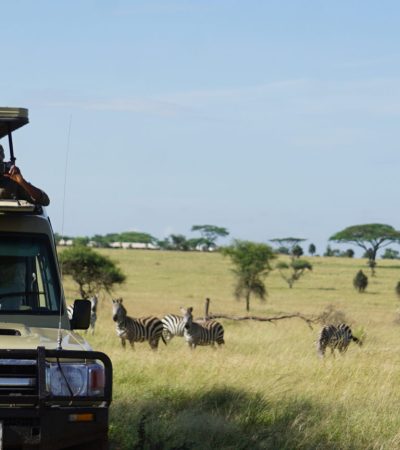
Iconic baobab trees dot the landscape, creating a unique backdrop for wildlife like elephants, zebras, and wildebeest.
wba-img-66

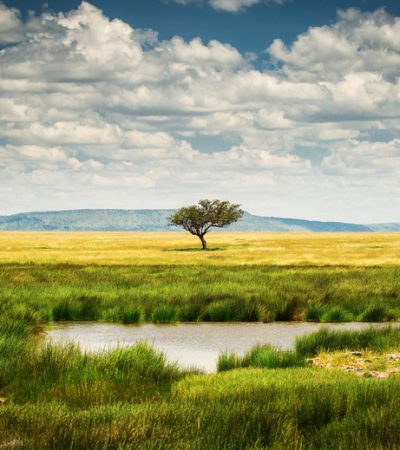
Floodplains

These seasonal wetlands attract large herds of animals during the dry season, offering a vital grazing ground for species like wildebeest and zebras.
wba-img-50

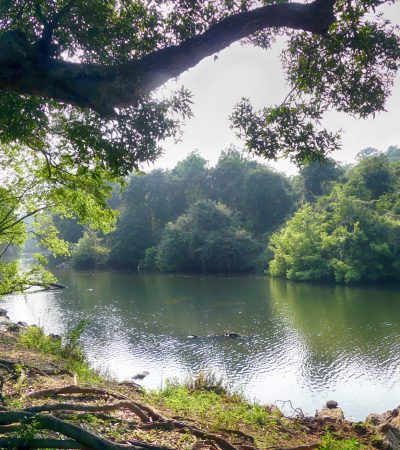
Tarangire River

he river is a key water source during the dry season, drawing wildlife such as elephants, buffalo, and predators like lions and leopards.
Single tree near to a lake and lot of grass aroud and beautiful clouds in background in National Park of Serengeti Tanzania

Swamps and Marshes

These areas provide habitat for aquatic birds, hippos, and crocodiles, and attract migratory animals during the dry season.
 

leopard

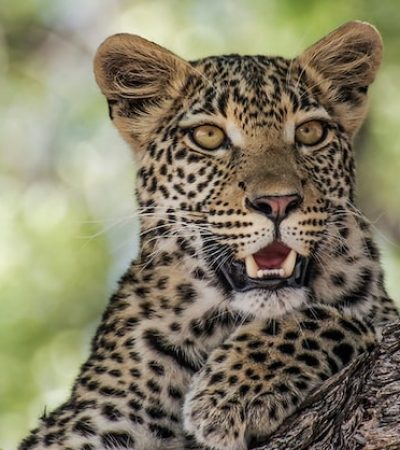
Leopards (Panthera pardus)

Leopards are spotted dangling from acacia tree branches.
lion

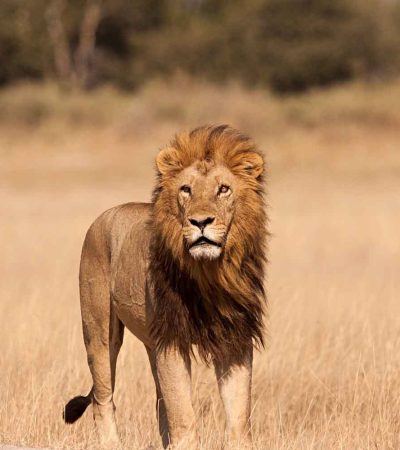
Lions (Panthera Leo)

The lions of the Tarangire can be located near the water sources especially during the dry season.
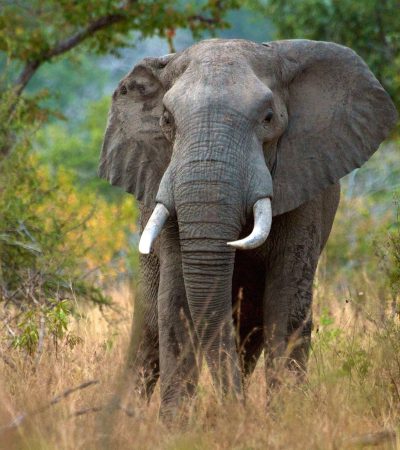
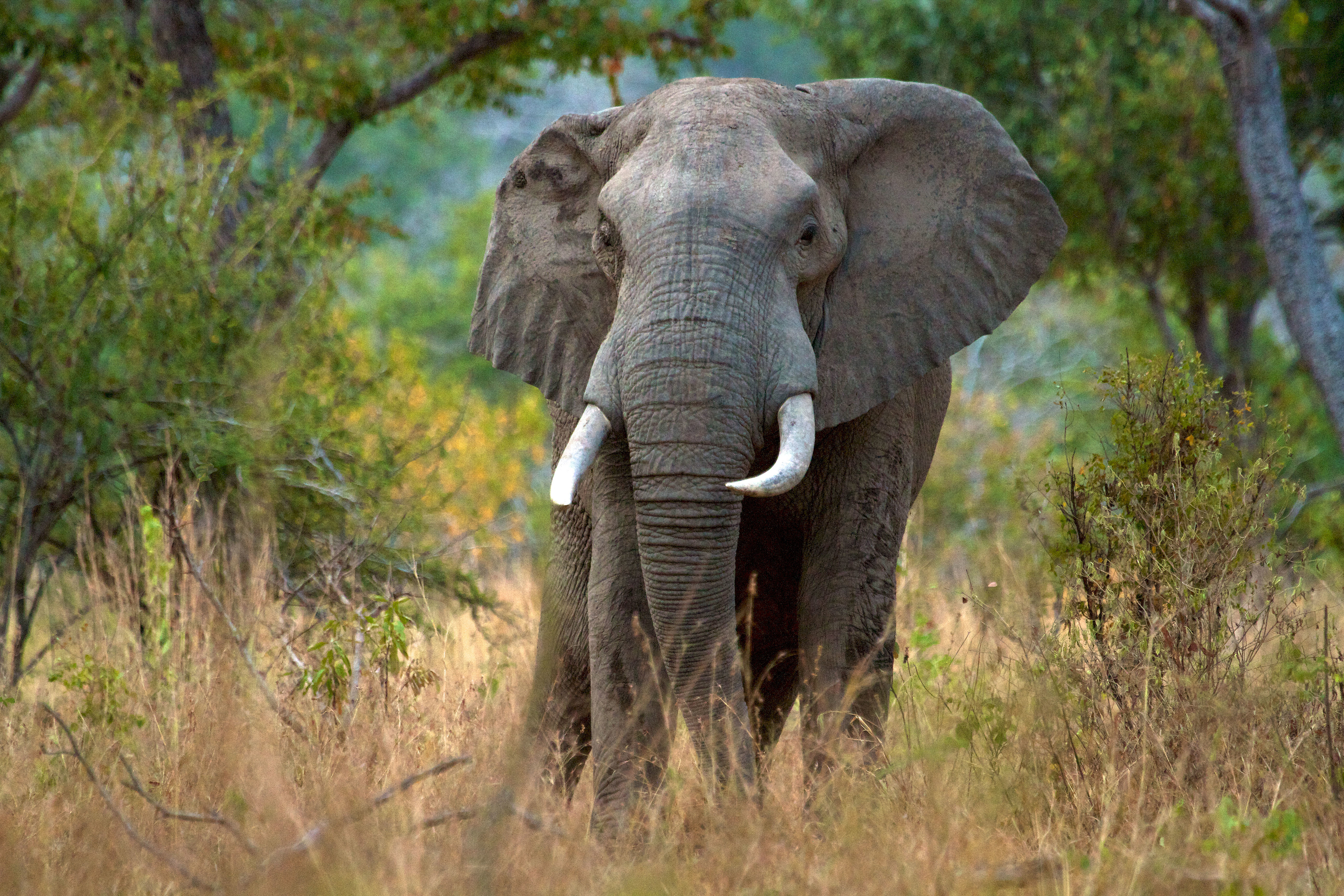
Male African elephant (Loxodonta africana) in Selous Game Reserve, Tanzania. Selous has lost about 90 per cent of its elephants to poachers in recent years.

All web usage, social media, press release and print. Worldwide 5 years. No 3rd party usage without explicitly mentioning WWF. No merchandising use.

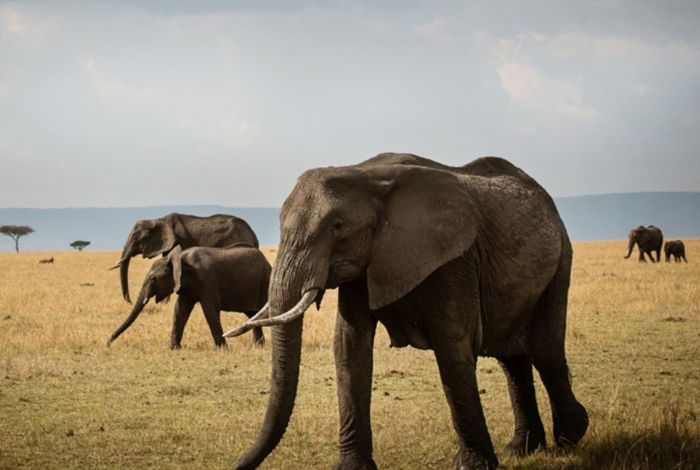
Elephants (Loxodanta Africana)

There are over 3000 elephants in Tarangire National Park, freely grazing and roaming the park in large herds.
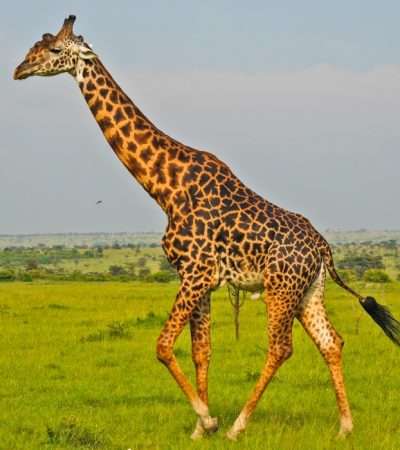
giraffe

Giraffe

Giraffes creates a picturesque scene against the backdrop of Tarangire stunning landscapes

Rainy Season

This period includes both the short rains (November to December) and the long rains (March to April). Temperatures range from 20°C (68°F) to 30°C (86°F). While wildlife is harder to spot due to dense vegetation, the park becomes lush and green, attracting migratory birds.
 

Dry Season

The dry season is the best time for wildlife viewing. Temperatures range from 18°C (64°F) in the mornings to 28°C (82°F) in the afternoons. The Tarangire River becomes the primary water source, drawing large herds of animals, making it easier to spot wildlife.
 

Rainy Season

November to April

Dry Season

June to October

Explore Tanzania with Us

Discover Our Top Adventures