The Bugs Adventures – Experience Quintessentials Africa

Manyara National Park

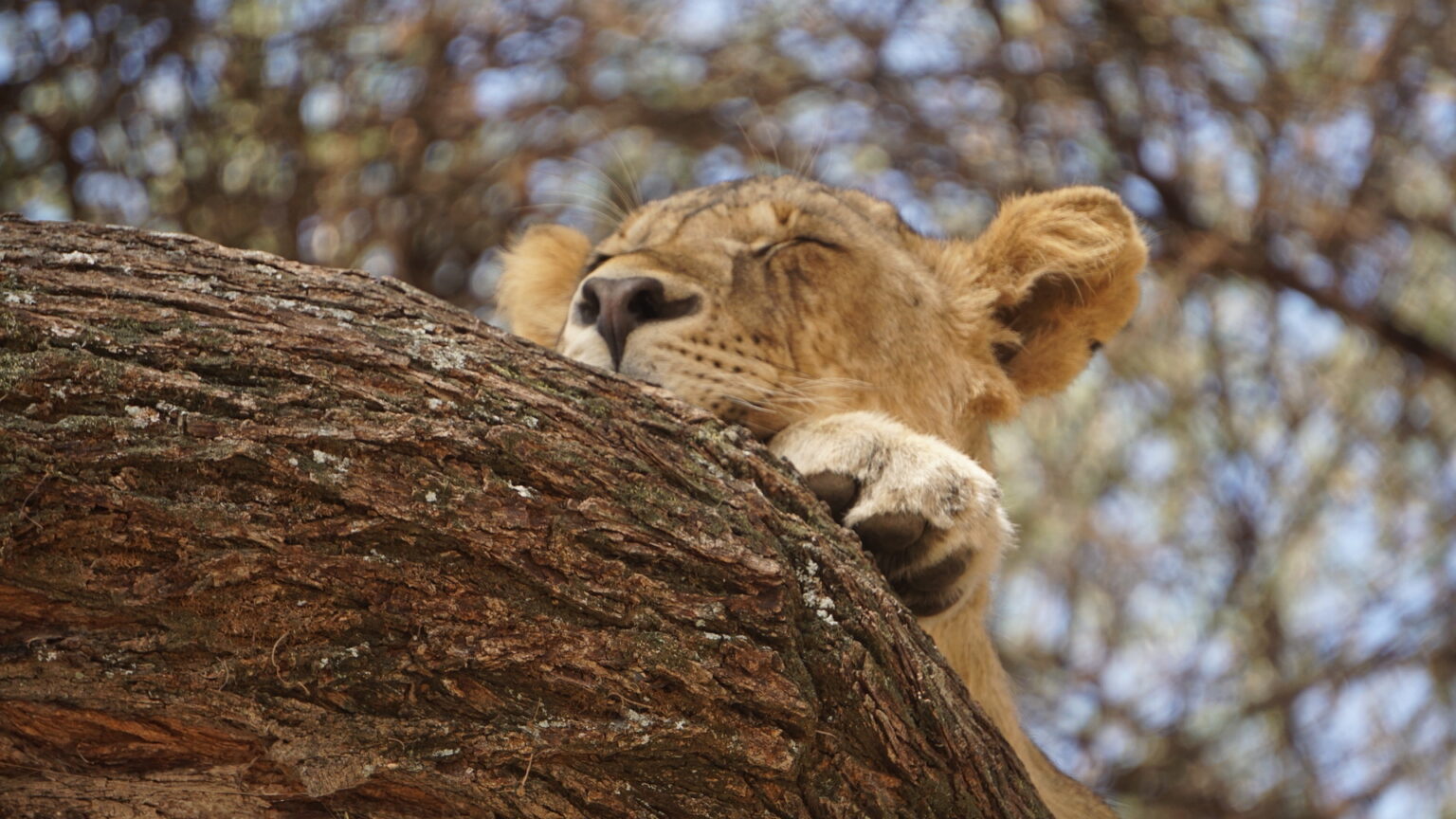
Unique to just a few places in Africa, Manyara’s lions are known for their unusual habit of lounging in trees—a mysterious and mesmerizing sight you won’t want to miss.

The Bugs Adventures

Tanzania’s Hidden Safari Gem

Lake Manyara may be compact, but it’s a park full of charm and dramatic contrast. It stretches between the glittering shores of Lake Manyara and the towering cliffs of the Great Rift Valley, offering a unique mix of landscapes—from lush forests to open plains.

The Bugs Adventures

A destination for birds enthusiasts

This little park is big on biodiversity. Spot large herds of elephants, troops of baboons, and over 400 species of birds. And if luck is on your side? Catch a glimpse of the legendary tree-climbing lions, found in only a few places on Earth.

Breathtaking sceneries

During the green season, Manyara bursts into life. Butterflies flutter through the forest, birdsong fills the air, and the entire park feels like a living postcard. It’s an unforgettable time to visit.

Manyara National Park key facts

Just a few hours from Arusha, Lake Manyara is ideal for a short safari on Tanzania’s Northern Safari Circuit. Whether you’re an adventurer, photographer, or family traveler, this park offers something for everyone.

Size

325 km2 (125 sq mi) including about 230 km2 (89 sq mi) lake surface

Best time to visit

June - October

wba-img-157

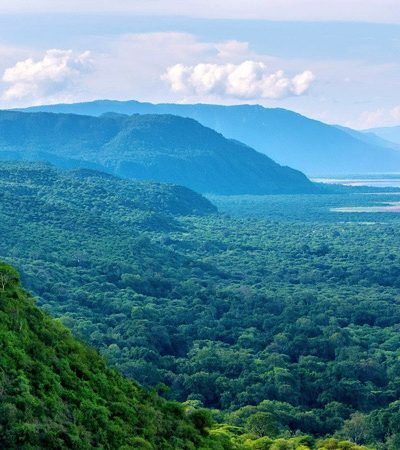
Groundwater Forests

Lush and green year-round, these dense forests near the park entrance are fed by underground springs and are home to monkeys, elephants, and birds.
wba-img-158

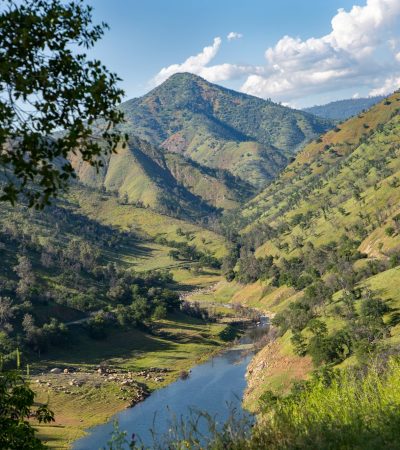
Acacia Woodlands

Open, sun-dappled areas filled with acacia trees—great for spotting giraffes, elephants, and even tree-climbing lions.
wba-img-159

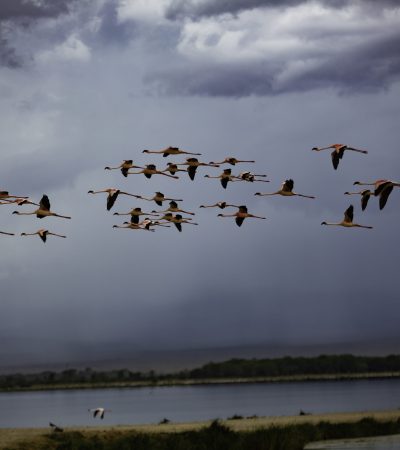
Open Grasslands

These wide plains are ideal for gazelles, buffaloes, and predators on the move.
wba-img-160

Lake Manyara

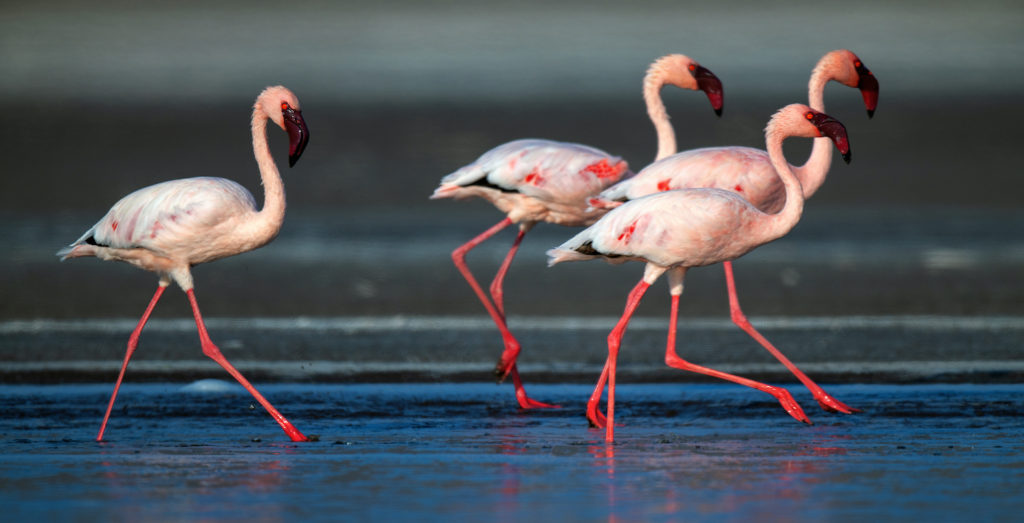
A shallow, alkaline lake that dominates the park—famous for its flocks of flamingos and other waterbirds.
wba-img-161

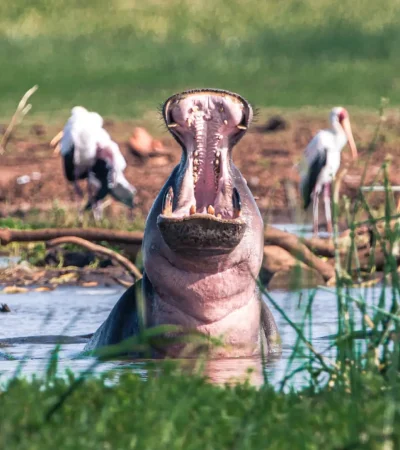
Swamps and Floodplains

Seasonal wetlands attract hippos, buffalo, and countless bird species.
wba-img-162

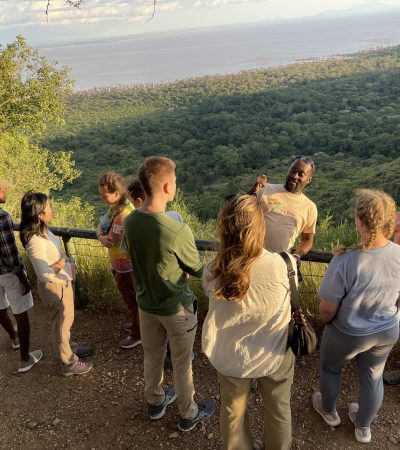
Rift Valley Escarpment

A dramatic backdrop of cliffs that creates a natural border and microclimates within the park.
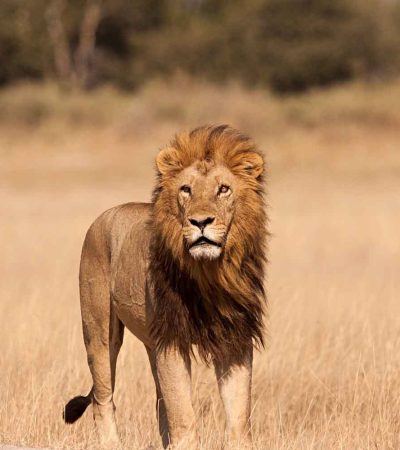
lion

Lions

Tanzania

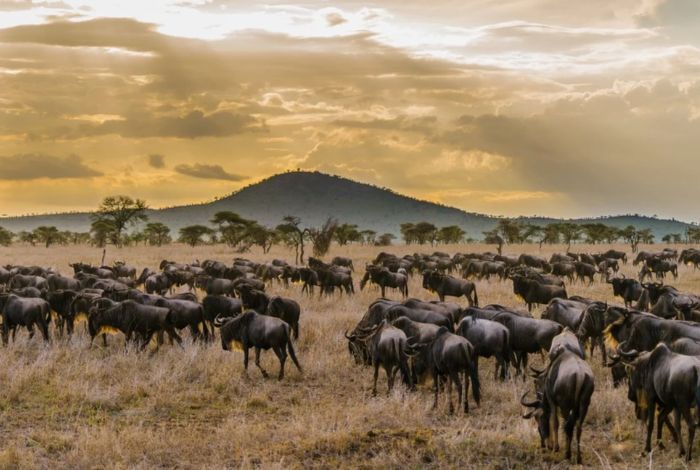
Buffaloes

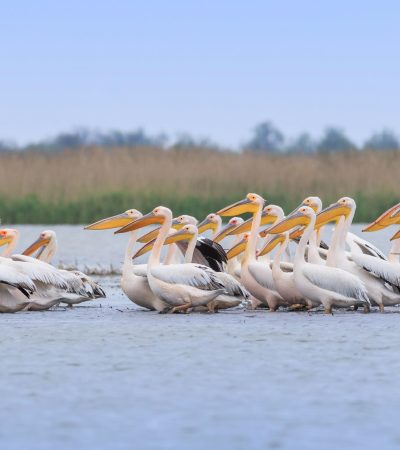
white-pelicans

White pelicans

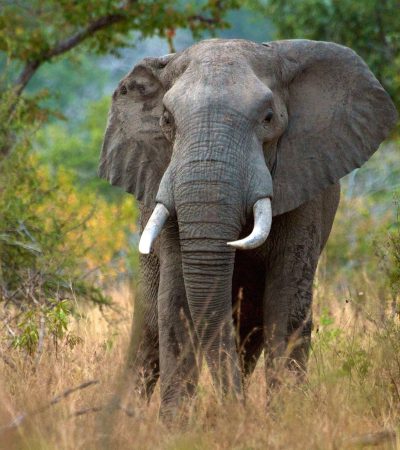
Male African elephant (Loxodonta africana) in Selous Game Reserve, Tanzania. Selous has lost about 90 per cent of its elephants to poachers in recent years.

All web usage, social media, press release and print. Worldwide 5 years. No 3rd party usage without explicitly mentioning WWF. No merchandising use.

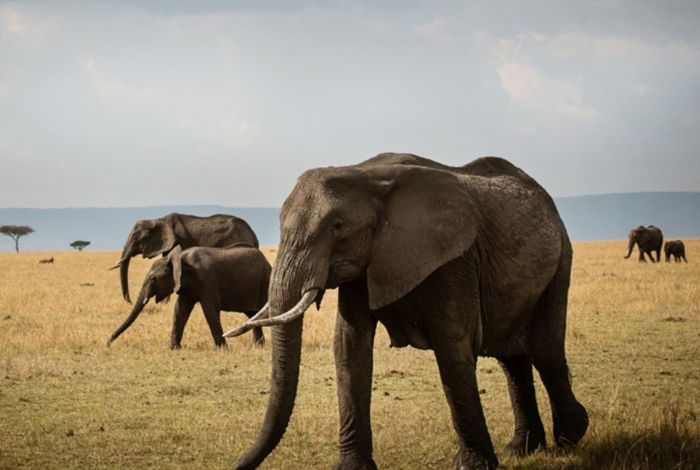
Elephants

Dry Season

The dry season brings sunny, pleasant weather with temps between 20–30°C (68–86°F). It’s the best time for wildlife viewing, as animals gather near water and visibility is high. With clear skies and low malaria risk, it’s peak season for spotting elephants, lions, and more.
 

The short rain season

The short rains bring light afternoon showers and mostly sunny mornings, with temperatures around 25–32°C (77–90°F). It’s a great time for birdwatching as migratory birds arrive and the landscape turns lush. Fewer tourists mean a quieter safari, though some roads may get muddy.

Green season

The green season sees heavier rains, especially in April, with warm temps between 23–30°C (73–86°F). The park becomes lush and vibrant—perfect for photography, birdwatching, and butterflies. Fewer crowds and lower prices are a plus, but some roads may be muddy or impassable.

Transition Months

The period is warm and mostly dry, with temperatures around 25–33°C (77–91°F). It’s a quieter time to visit, offering great light for photography and active wildlife before the long rains begin.

Dry Season

June to October

The short rain season

November to December

Green season

March–May

Transition Months

January – February

Explore Tanzania with Us

Discover Our Top Adventures