The Bugs Adventures – Experience Quintessentials Africa

Ngorongoro Crater

Whether you’re watching lions stir at sunrise or taking in sweeping views of the crater below, every moment in Ngorongoro draws you closer to nature, adventure, and a sense of something timeless.

The Bugs Adventures

Where Nature Thrives

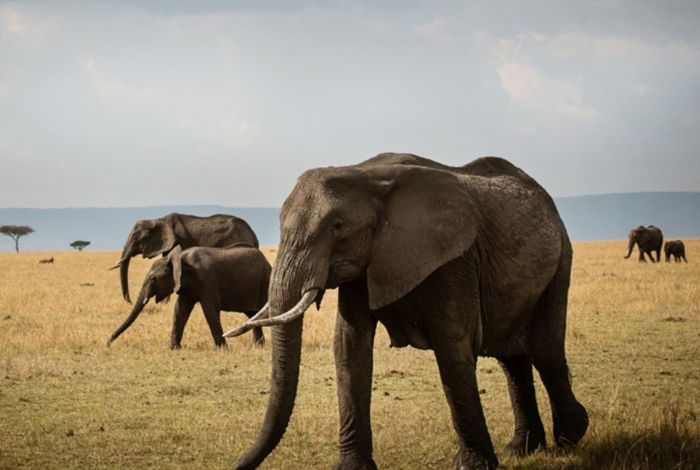
Step into Ngorongoro Crater, one of the world’s most vibrant natural sanctuaries. Surrounded by towering walls, it’s a self-sustaining ecosystem teeming with wildlife like elephants, lions, and rhinos. Experience responsible safaris that support conservation and Maasai communities in this stunning UNESCO World Heritage Site.
wba-img-72

The Bugs Adventures

Birds Watching

The Mahale Mountains National Park isn’t just for chimp lovers; it’s also a favorite spot for the ornithophile! Over 350 bird species, including migratory, water, and forest birds, make Mahale Mountains National Park a popular bird-watching destination.

Incredible Wildlife Diversity

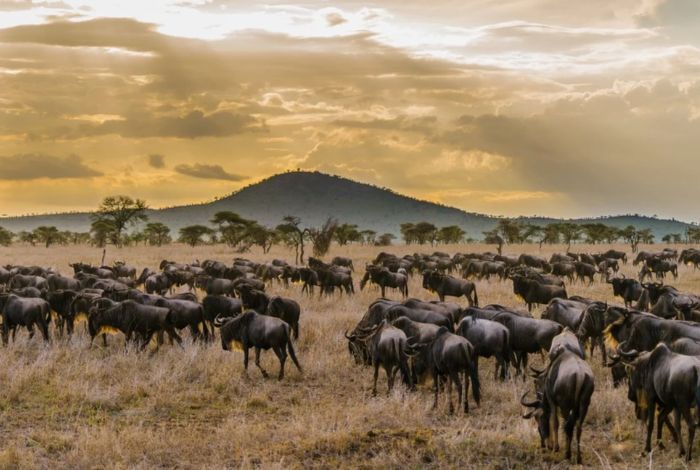
The crater is home to over 25,000 animals, including elephants, lions, leopards, buffalo, zebras, and wildebeest. It’s one of the few places where so many species roam freely in close proximity, including the critically endangered black rhino.

Ngorongoro Crater key facts

Ngorongoro Crater, “Africa’s Garden of Eden,” is a natural wonder in northern Tanzania, covering 1,892 sq. km (730 sq. mi) and teeming with wildlife.

Size

260 square kilometers
(100 square miles)

Best time to visit

June to October - January - April

wba-img-73

Grassland

Vast stretches of open plains dominate the lower regions of the crater, providing grazing areas for herbivores like zebras, wildebeest, and gazelles.

wba-img-74

Woodlands and Forests

The crater’s rim and parts of the caldera are covered in dense forests and woodlands, offering shelter and food for elephants, leopards, and various bird species.

wba-img-75

Soda lake

These alkaline lakes attract large flocks of flamingos and other waterfowl, offering a unique habitat for birds and small aquatic creatures.

wba-img-76

Swamps and Marshes

Found at the base of the crater, these wetland areas support a wide variety of plant and animal life, including crocodiles, hippos, and a variety of birds.

wba-img-77

Salt Flats

The crater also contains areas of salt flats, where only specialized plants and animals can thrive, adding to the unique ecosystem.
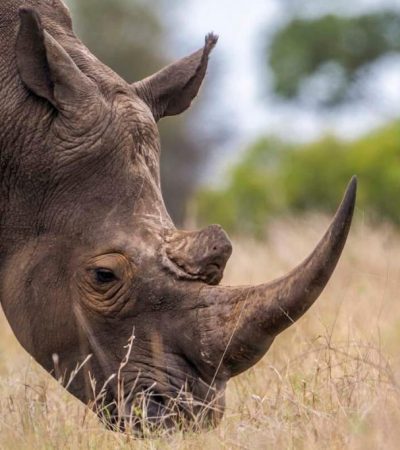
rhino

Black Rhinoceros

The critically endangered black rhinoceros are found in the Crater browsing feeds on trees and shrubs.
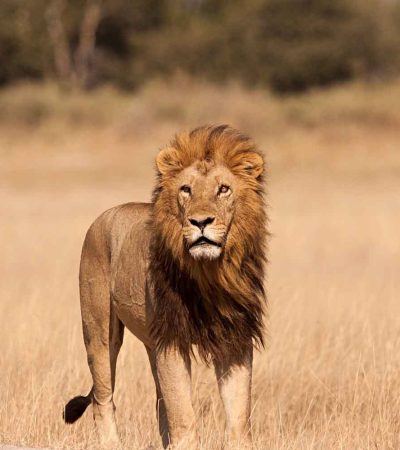
lion

Lions

These majestic cats live in prides of up to 30 individuals. Their cooperative hunting techniques and territorial behaviors make them fascinating among the big cats
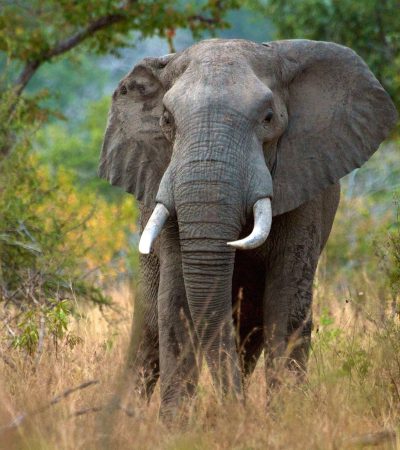
Male African elephant (Loxodonta africana) in Selous Game Reserve, Tanzania. Selous has lost about 90 per cent of its elephants to poachers in recent years.

All web usage, social media, press release and print. Worldwide 5 years. No 3rd party usage without explicitly mentioning WWF. No merchandising use.

African Elephant

Often misunderstood, the spotted hyena is a highly social and intelligent predator. They live in clans led by a dominant female.

spotted-hyena

Spotted Hyena

Often misunderstood, the spotted hyena is a highly social and intelligent predator. They live in clans led by a dominant female.

Rainy Season

This period sees the heaviest rainfall, with long, heavy showers, making the landscape lush and green. Temperatures range from 15°C (59°F) to 25°C (77°F).

Dry season

This is the best time for wildlife viewing, with clearer skies and cooler temperatures, ranging from 10°C (50°F) at night to 20°C (68°F) during the day. The dry season attracts more animals to the waterholes, making it easier to spot wildlife. The weather is generally mild year-round, with cooler temperatures at the crater’s higher elevations compared to lower areas.

Rainy Season

March to May

Dry Season

June to October

Explore Tanzania with Us

Discover Our Top Adventures