The Bugs Adventures – Experience Quintessentials Africa

Serengeti National Park

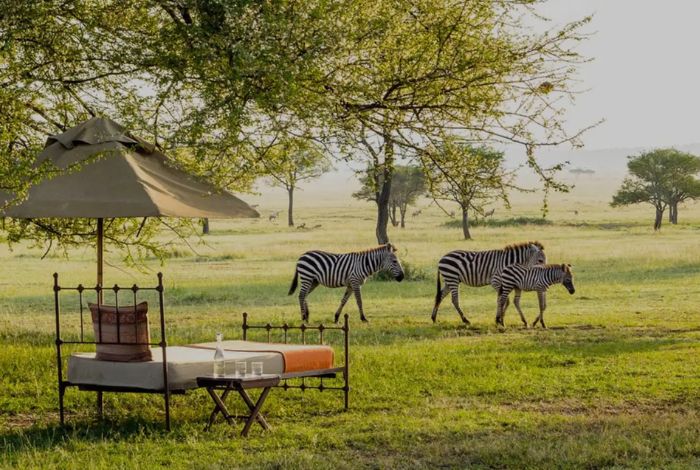
From golden sunrises to dramatic wildlife scenes, the Serengeti offers endless opportunities for breathtaking shots and natural inspiration.

The Bugs Adventures

The Greatest Wildlife Show on Earth

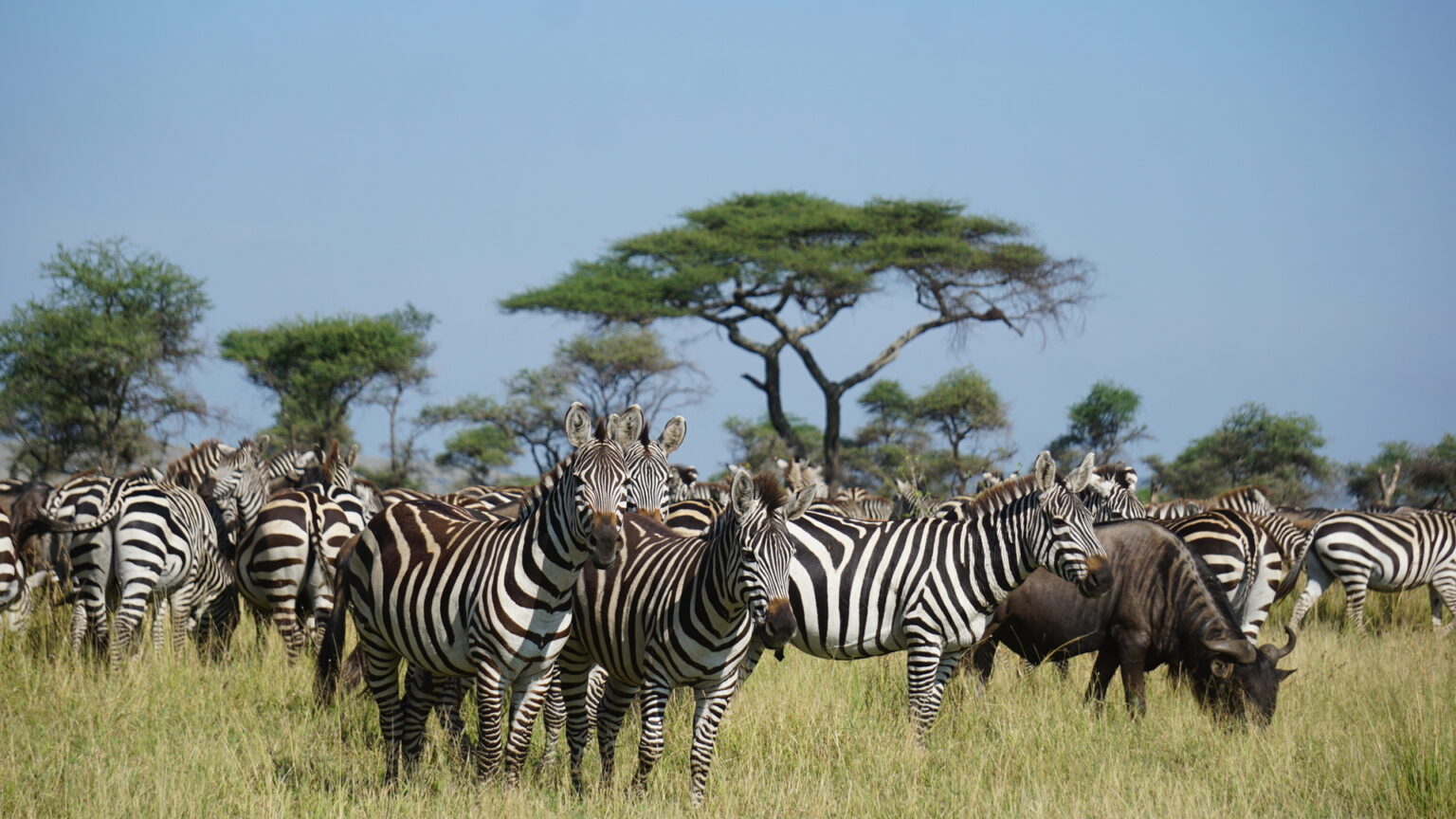
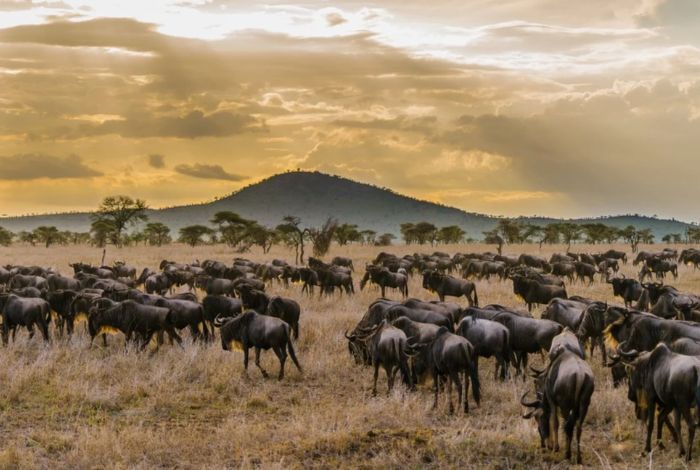
Each year, the Serengeti becomes the stage for nature’s grandest show: the Great Migration. More than 1.5 million wildebeests, 250,000 zebras, and countless gazelles thunder across the plains in search of greener pastures—an unforgettable spectacle of life, survival, and instinct.

The Bugs Adventures

Untamed Home of Africa’s Top Predators

Serengeti National Park is the true home of Africa’s big cats. Lions, leopards, and cheetahs thrive here in a protected, prey-rich wilderness—making it one of the best places to see these iconic predators in the wild

The Untamed Beauty

The Serengeti offers one of the world’s most iconic safari experiences. From the Great Migration to close encounters with lions, leopards, and elephants, it’s a place where Africa’s wild beauty comes to life—raw, real, and unforgettable.

Serengeti National Park key facts

The legendary Serengeti is Tanzania’s oldest and most iconic park. Home to the Great Migration, the Big Five, and stunning savannahs, it offers unforgettable safaris year-round. Just a short flight or scenic drive from Arusha.

Size

14,763 km²

Best time to visit

June to Octobe , December to March

wba-img-41

Open Grasslands (Savannah Plains)

The iconic heart of the Serengeti—vast, treeless plains that host the Great Migration and support large herds of wildebeest, zebras, and predators like lions and cheetahs.

wba-img-79

Riverine Forests

Lush vegetation along rivers like the Grumeti and Mara offers shelter for elephants, hippos, crocodiles, and birdlife, plus leopards that prefer dense cover.

wba-img-80

Woodlands & Acacia Forests

Scattered trees and thicker bushland found in areas like the Western Corridor and Seronera provide habitat for giraffes, buffalo, and browsing antelope.

wba-img-81

Kopjes (Granite Outcrops)

Rocky outcrops that rise from the plains—perfect sunbathing and lookout spots for lions, and home to small creatures like hyraxes and lizards.

wba-img-82

Seasonal Wetlands & Swamps

These water-rich zones support hippos, crocodiles, and a wealth of birdlife, especially during the rainy season.
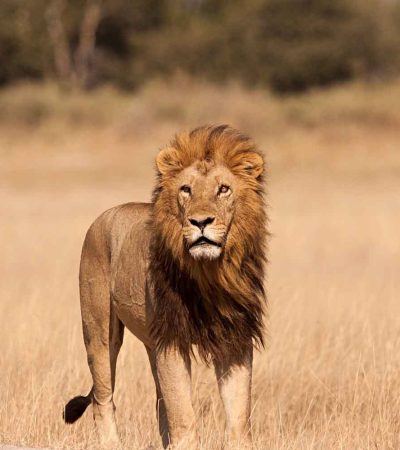
lion

Lions

All hail the king! Lions lead the pride with power and presence.
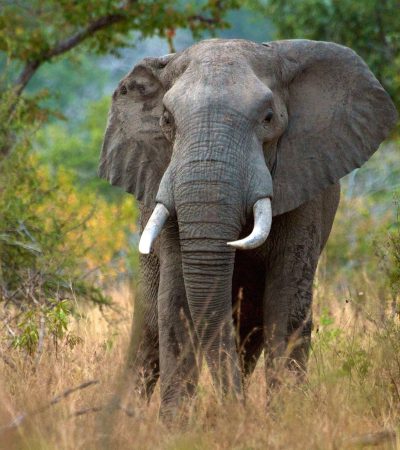
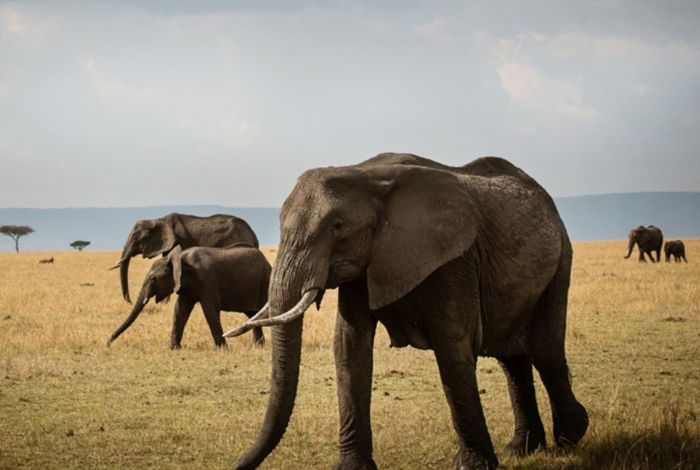
Male African elephant (Loxodonta africana) in Selous Game Reserve, Tanzania. Selous has lost about 90 per cent of its elephants to poachers in recent years.

All web usage, social media, press release and print. Worldwide 5 years. No 3rd party usage without explicitly mentioning WWF. No merchandising use.

African Elephant

Known for its intelligence and close social ties.
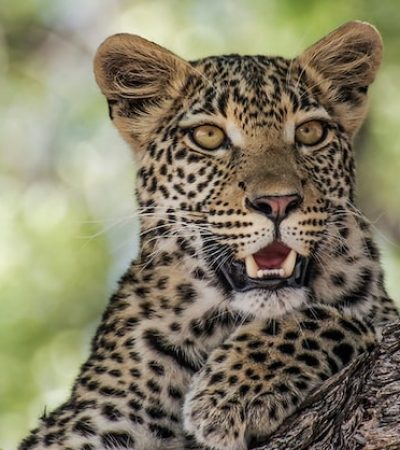
leopard

Leopards

An elusive, solitary cat's known for their strength and remarkable adaptability.

wba-img-55

Cheetah

Silent sprinters with a soft voice—cheetahs speak in purrs, not roars.
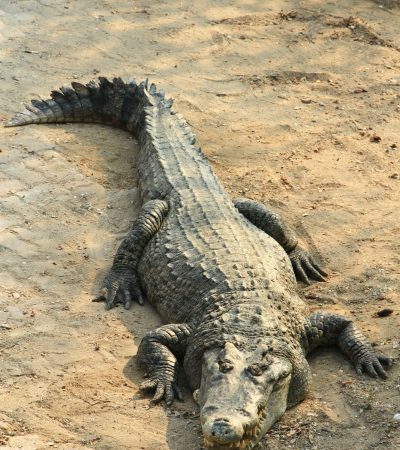
crocodile

Crocodiles

Silent and still—until it’s too late. Crocodiles are ambush experts of the water

Dry season

Sunny and dry with temperatures between 20–30°C (68–86°F); it’s the best time for wildlife viewing as animals gather at water sources.
 

Short Rains

Mostly sunny mornings with light afternoon showers; temperatures rise to 25–32°C (77–90°F), making it great for birdwatching and enjoying lush, green scenery.
 

Green Season

Warm and occasionally rainy, with calving season in full swing—perfect for spotting predators and newborns on the plains.
 

Dry Season

June to October

Short Rains

November–Mid-December

Green Season

Mid-December–March

Long Rains

April–May

Explore Tanzania with Us

Discover Our Top Adventures