Planning a Student Field Trip to Tanzania: A Guide for Teachers and Trip Leaders
How schools and universities plan safe, educational field trips to Tanzania: wildlife, conservation, culture and community work, with practical tips from an Arusha operator who hosts student groups.
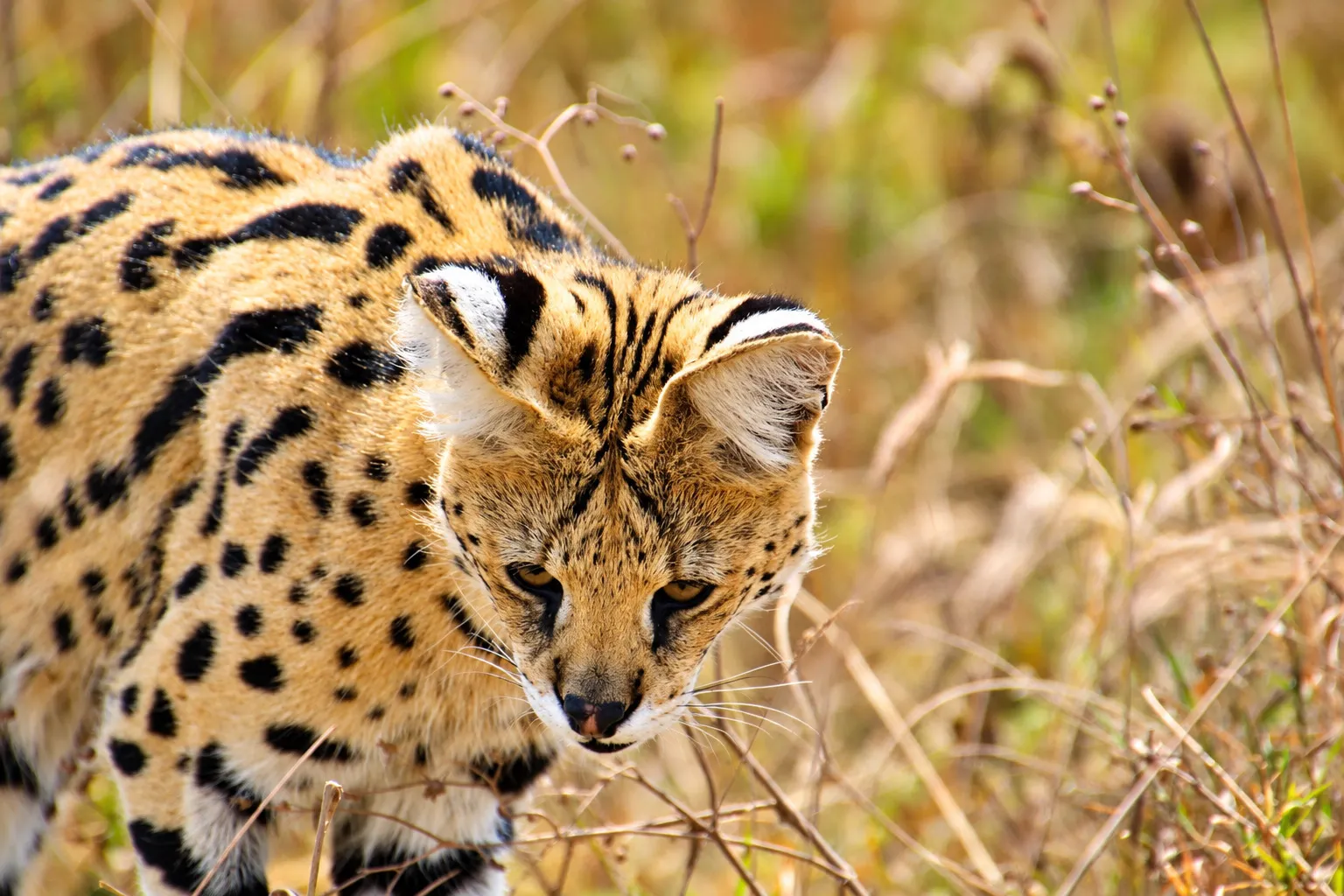
Tanzania is one of the best outdoor classrooms in the world. In a single trip, students can study savannah ecology in the Serengeti, see how people and wildlife share land in the Ngorongoro Conservation Area, learn about climate on the slopes of Kilimanjaro, and spend time with communities whose lives are tied to the land.
We host student and university groups from Arusha, including ongoing partnerships with Purdue University in the United States and an institution in Bergen, Norway. This guide shares what we have learned.
1. Start with the learning goals
The best field trips are built around what the students are studying. Some examples:
- Ecology and conservation: predator–prey dynamics in the Serengeti, elephant movement in Tarangire, the crater ecosystem of Ngorongoro.
- Geography and climate: vegetation zones on Kilimanjaro or Mount Meru, the Rift Valley, soda lakes such as Lake Natron.
- Culture and development: visits to Maasai and Chagga communities, local schools and community projects.
- Service learning: days with Pamoja Afrika, our community organisation, which works on education, clean water and beekeeping.
Tell us the course and its outcomes, and we will design the itinerary around them.
2. Safety comes first
Parents and institutions need confidence. On our student trips:
- Groups travel in our own Land Cruisers with experienced guides.
- We follow every step of the trip and act immediately if anything affects students' safety or wellbeing.
- A team member is always reachable by phone while the group is in Tanzania.
- We can provide a written risk assessment for your institution.
3. When to go
The long dry season (June to October) is the most comfortable for wildlife and travel. The short dry season from late December to February is also excellent and often fits university winter terms. The long rains (roughly April and May) bring lower prices but more challenging conditions.
4. Budget
Park fees, accommodation level and group size drive the cost. Larger groups lower the cost per student. Student groups receive 16% off our public prices, and for groups of 10 or more students, the group leader's park safari is free.
5. Paperwork
Every student needs a passport valid for six months after departure, a visa, and, from October 2026, the mandatory Tanzania inbound travel insurance (US$22 for under-18s, US$44 for adults). See our visa and entry guide for details. Check vaccination advice with a travel clinic.
6. Sample 10-day outline
- Days 1–2: arrive Arusha, orientation, community visit.
- Days 3–4: Tarangire, elephant ecology.
- Days 5–6: Serengeti, predator and migration studies.
- Day 7: Ngorongoro Crater, conservation and land use.
- Days 8–9: community project days with Pamoja Afrika.
- Day 10: reflection session and departure.
Planning a trip?
Send us your course goals, group size and preferred dates. We will reply within 24 hours with a sample itinerary and costs. See our student programs or send us your details.