SUB-TRAIL
Pangani
A slow river town on the Swahili coast
A slow river town on the Swahili coast
Once a major 19th-century trading port, Pangani today is a quiet stretch of palm-lined beach and mangrove river, ideal for slowing down after a safari.
Long before Zanzibar eclipsed it, Pangani was one of the East African coast's major trading ports, shipping ivory, spices and — in a history the town does not shy away from — enslaved people, inland to the interior and out across the Indian Ocean.
That history is still visible in the old town's coral-stone buildings and narrow streets, but most visitors come today for the quieter pace: a mangrove-lined river to cruise, uncrowded beaches, and none of Zanzibar's crowds.
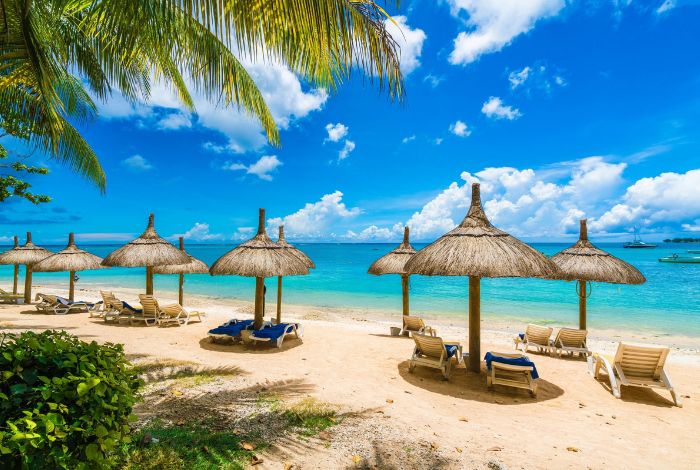
Pangani is a small town in Tanga Region where the Pangani River, which rises on the slopes of Kilimanjaro, meets the Indian Ocean. It lies roughly 50 km south of Tanga by road. The beaches south of the river, around Ushongo, are wide, quiet and lined with palms, with only a few small lodges along them. It is a good place to rest after a safari or climb without the crowds you will find on parts of Zanzibar.
In the nineteenth century, Pangani was a stop on the caravan route from Lake Tanganyika, and ivory and enslaved people were shipped from here by dhow to Zanzibar. In 1888, the Abushiri revolt against the German East Africa Company began in Pangani after the company's flag was raised in place of the Sultan of Zanzibar's. After the uprising, the Germans made the town an administrative centre, and the old German boma and several carved Swahili doors still stand along the waterfront. A guided walk through town is the best way to understand it.
The dry season from June to October is the most comfortable time, with July usually the driest month. December to February is hot and generally settled. The long rains, roughly March to May, are the least suitable months, with April usually the wettest.
By road, the drive from Dar es Salaam takes five to six hours. From Moshi or Arusha, the route runs south along the Pare and Usambara Mountains, so it is a full day's drive that can be broken with a night in the mountains. Coastal Aviation flies to Mashado airstrip, just south of town, which saves a lot of time. Lodges at Ushongo are south of the river, reached by a small vehicle ferry that stops running in the early evening, so plan to arrive in daylight. We arrange the transfers and timings for you.
Pangani works well after a Kilimanjaro climb on the Machame Route, when tired legs want a quiet beach, or alongside Saadani National Park, a little further south, where you can go on game drives and boat trips on the Wami River. Some travellers continue to Zanzibar afterwards. Pack light clothing that covers the shoulders and knees for town, along with sun cream, insect repellent and some cash, as card payments are not always possible.
If you would like a few days in Pangani as part of a private, tailor-made trip, ask our Arusha team on the plan your trip page. We reply within 24 hours.
We use cookies to make our website work, to understand how it is used and to show you relevant offers. You choose which ones we use. Privacy policy